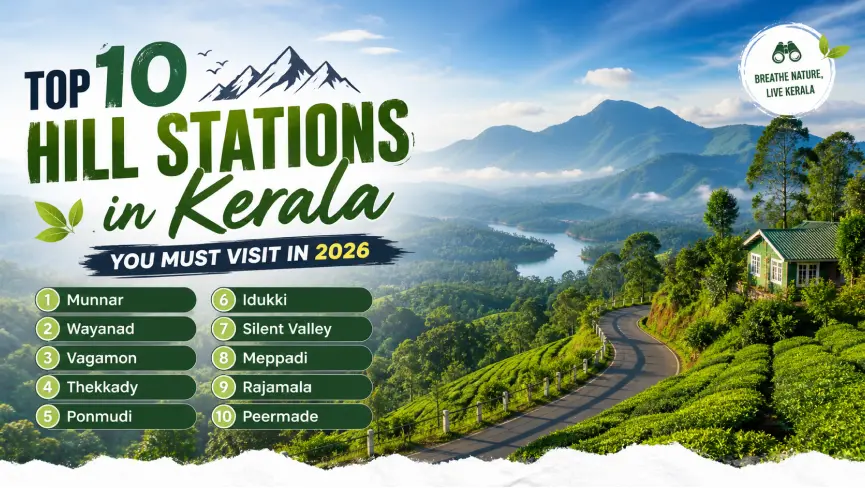
Why Munnar Is Keralas Best Hill Station – A Complete Guide
Munnar at a Glance
Perched at around 1,600 metres in the Western Ghats of Kerala's Idukki district, Munnar is a destination that earns every superlative thrown its way. The town sits where three rivers — Muthirapuzha, Nallathanni, and Kundala — meet, gifding its name itself ("Mun" = three, "aar" = river in Malayalam).
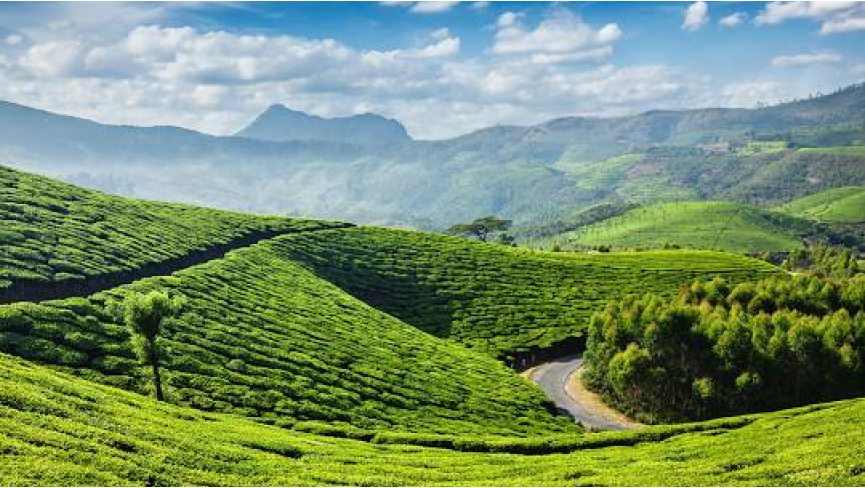
Once a favourite summer retreat for British colonial planters, Munnar has since evolved into one of the most beloved hill stations in all of India. Its iconic contoured tea estates stretch as far as the eye can see, blanketing the slopes in a thousand shades of green, while thick morning mist rolls through valleys with theatrical grace.
📍 Location: Idukki District, Kerala, India | Altitude: ~1,600 m (5,249 ft) | Distance from Kochi: ~130 km | Best For: Nature, Tea Tourism, Wildlife, Trekking, Honeymoon
Whether you're a couple looking for a romantic escape, a solo trekker chasing misty ridgelines, or a family wanting cool mountain air away from the plains, Munnar delivers with quiet confidence.
Why Munnar Is Kerala's Best Hill Station
Kerala has no shortage of scenic escapes — Wayanad, Vagamon, Thekkady — yet Munnar consistently tops travel lists. Here's exactly why.
1. The Tea Gardens Are Unrivalled
Munnar's tea plantations, managed largely by Tata Tea (KDHP), form one of the largest contiguous blocks of tea cultivation in the world. The perfectly sculpted rows, varying from deep forest green to bright lime, create a visual rhythm that's almost hypnotic. The Tea Museum in Nallathanni is a must-visit to understand the 150-year journey of tea in this landscape.
2. The Western Ghats Scenery
Munnar sits within one of the world's 34 Biodiversity Hotspots. The rolling Ghats here boast some of the most dramatic ridge-and-valley topography in peninsular India. Anamudi — at 2,695 m the highest peak south of the Himalayas — towers over the region, visible on clear days from multiple vantage points.
3. Rare Wildlife You Won't Find Elsewhere
The Eravikulam National Park, just 13 km from town, protects the world's largest population of the critically endangered Nilgiri Tahr, a mountain ungulate found nowhere else on Earth. Sightings of Gaur (Indian bison), elephants, leopards, and hundreds of bird species are common in the broader Munnar-Chinnar landscape.
4. Pleasant Climate Year-Round
While most of India swelters through summer, Munnar's temperatures rarely breach 25°C. Winters can dip to 5–8°C at peak elevations, creating an almost Alpine chill. This consistent cool climate is what made British planters choose Munnar over other Kerala highlands — and it remains the single biggest draw for tourists fleeing the plains.
5. India's Premier Honeymoon Destination
Munnar consistently ranks among India's top honeymoon destinations. The combination of misty valleys, boutique plantation stays, waterfalls, and candlelit estate dinners makes it a natural choice for newlyweds. The Kundala Lake, Mattupetty Dam, and shikara rides add the romantic finishing touches.
6. The Neelakurinji — Nature's Once-in-12-Years Marvel
The Neelakurinji (Strobilanthes kunthianus) blooms only once every twelve years, turning entire Munnar hillsides violet-blue in a spectacle unlike anything else in Asia. The last bloom was in 2018; the next is expected in 2030. Planning around this event is a bucket-list endeavour.
Top Places to Visit in Munnar
From national parks to cascading falls, Munnar's attractions span diverse terrains. Here are the highlights you should never skip:
A UNESCO tentative World Heritage Site, home to the Nilgiri Tahr. The Rajamala range here offers jaw-dropping panoramas and guided trekking trails. Entry is seasonal (Apr–Jun restricted for breeding). Book tickets online in advance.
A shimmering reservoir surrounded by tea estates and shola forests at 1,700 m. Boating is popular; the adjacent Indo-Swiss Livestock Project farm is a quirky bonus visit.
At 1,880 m, this is the highest point accessible by road in Munnar. On clear days you get views over the Tamil Nadu plains — a sweeping canvas of valleys and distant peaks.
Often overshadowed by more famous falls, Attukad is Munnar's most dramatic cascade — 50+ feet of white water tumbling through dense forest canopy. Best visited during monsoon (July–September).
On the rain-shadow eastern slope, Chinnar is drier and wilder than Eravikulam. It hosts rare Giant Grizzled Squirrels, Star Tortoises, and Star Turtles. Guided eco-treks and night stays available.
Kerala's first arch dam backdrop creates a picturesque lake perfect for pedal boat and shikara rides. The surrounding cardamom gardens add a spicy fragrance to the fresh mountain air.
A fascinating deep-dive into 150 years of tea cultivation, processing, and culture in Munnar. Interactive exhibits, vintage machinery, and a tasting session make this an excellent 90-minute stop.
Best Time to Visit Munnar
Munnar's climate changes dramatically across seasons. Here's how each window looks for travellers:
Crystal-clear skies post-monsoon, lush green landscapes, ideal temperatures (8–20°C). Best for all activities. Book hotels early — this is when Munnar is most crowded.
Warm days (up to 25°C), fewer crowds, good for trekking and outdoor adventures. Eravikulam may have restricted access for Tahr breeding season (Apr–Jun).
Heavy rainfall, landslide risks, and road closures. Waterfalls are spectacular but some roads become impassable. Suitable only for experienced adventure travellers.
✅ Best Month Overall: October to December — the rains have washed everything clean, the air is crisp, the hillsides are vivid green, and visibility for sunrise/sunset is at its finest.
How to Reach Munnar
By Air
The nearest airport is Cochin International Airport (COK), approximately 110–130 km from Munnar. Taxis from the airport take 3–4 hours depending on traffic and road conditions on the mountain approach. Pre-book a cab through your hotel for the most comfortable ride.
By Rail
The closest railway station is Aluva (Ernakulam district), around 110 km away. Ernakulam Junction (Kochi) is better connected and also about 130 km away. From both stations, taxis and KSRTC buses are available to Munnar.
By Road
KSRTC (Kerala State Road Transport) runs regular buses from Ernakulam (Kochi), Coimbatore, and Thrissur. The 130 km drive from Kochi via NH83 winds through rubber plantations, spice farms, and finally into the cloud-kissed tea gardens — the journey itself is a scenic experience. Self-drive is popular and easy via Google Maps.
Food & Local Cuisine in Munnar
Munnar's food scene is a beautiful blend of Kerala's coastal culinary heritage and the hill town's own farm-fresh produce. Here's what to savour:
| Dish / Drink | Description | Where to Find |
|---|---|---|
| Kerala Sadya | Grand banana-leaf feast with 20+ vegetarian dishes; try on festival days | Local restaurants, homestays |
| Puttu & Kadala Curry | Steamed rice cylinders with spiced black chickpea curry — the quintessential Kerala breakfast | Any local eatery, guesthouses |
| Appam & Stew | Lacy fermented rice crêpes with mild coconut-vegetable or chicken stew | Hotel dining rooms, homestays |
| Fresh Munnar Tea | Buy direct from KDHP estates — cardamom, ginger, and classic CTC varieties; much fresher than packaged | Tea Museum shop, roadside stalls |
| Homemade Chocolates | Munnar is famous for artisan chocolate shops; dark chocolate with local spices is a must-try | Munnar town's chocolate shops |
| Wild Honey | Raw forest honey harvested by tribal communities — unique floral notes from highland wildflowers | Tribal cooperative stalls near Chinnar |
Travel Tips & Essentials
Book accommodation early. Peak season (Oct–Dec) sees Munnar fill up fast. Choose plantation-stay bungalows or homestays for a more authentic experience over large chain hotels.
Pack layers. Mornings and evenings can be surprisingly cold (8–12°C). A fleece jacket and a windproof layer are non-negotiable, even in April–May.
Expect patchy connectivity. Mobile data is inconsistent on mountain roads. Download offline Google Maps before leaving Kochi. WhatsApp calls may drop frequently.
Chase the golden hour. Sunrise at Top Station or Rajamala is worth setting a 4:30 AM alarm. The fog lifting off the tea estates in early light is one of the most photographed scenes in South India.
Respect the ecosystem. Munnar falls in a Biodiversity Hotspot. Avoid plastic, don't feed wildlife, and stick to marked trails in national park zones.
Rent a local cab or bike. Two-day bike rentals (₹600–900/day) let you explore independently. Local cab drivers double as knowledgeable guides and usually speak English.
Carry cash. While larger hotels accept cards, many roadside stalls, smaller eateries, and forest entry counters are cash-only. The ATMs in Munnar town can have queues during peak season.
Frequently Asked Questions
Related Blog
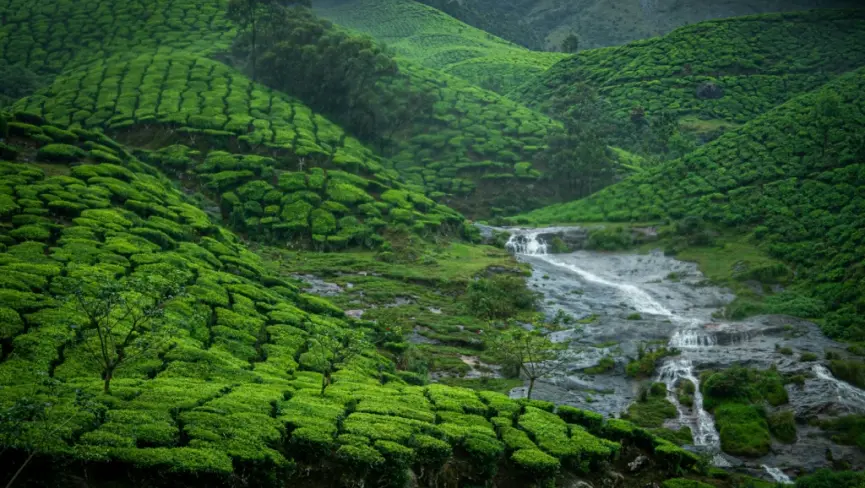
Munnar Through the Seasons Best Time to Visit, Weather, and Travel Experiences

Top Tourist Attractions in Munnar National Parks, Viewpoints, Waterfalls & Tea Estates

Discover Adventure & Serenity Top Eco-Tourism and Adventure Activities in Munnar, Kerala
Why Munnar Is Keralas Best Hill Station – A Complete Guide