

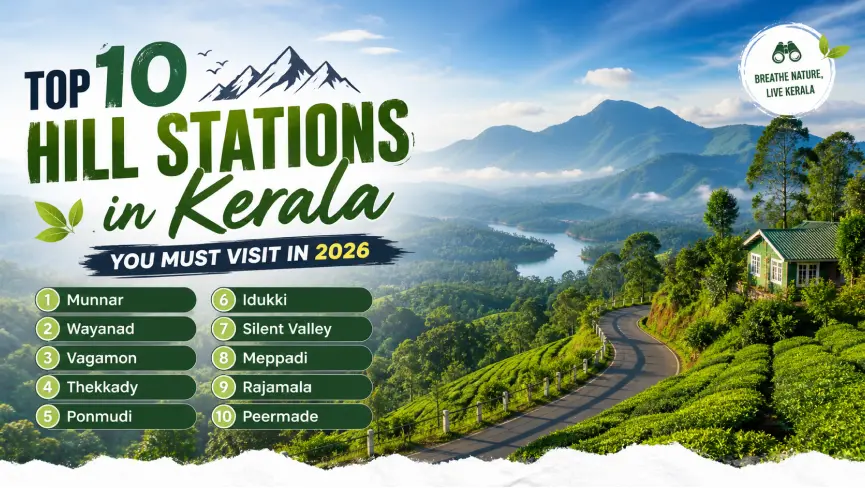
Top 10 Hill Stations in Kerala You Must Visit in 2026
Kerala, nestled between the Western Ghats and the Arabian Sea, is home to some of India's most spectacular highland destinations. Whether you're a honeymooner, a trekking enthusiast, or simply someone chasing cool misty mornings, the hill stations of Kerala offer a refreshing retreat from the scorching plains. In 2026, with improved connectivity and eco-tourism initiatives, these destinations are better than ever.
Munnar
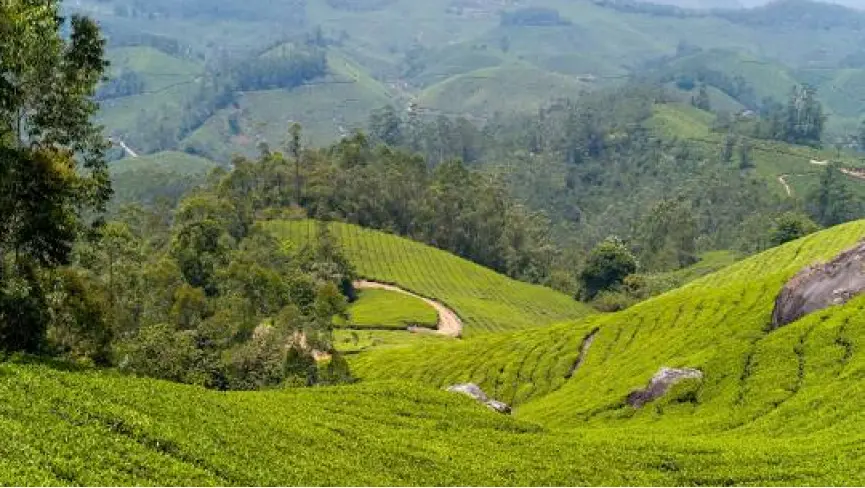
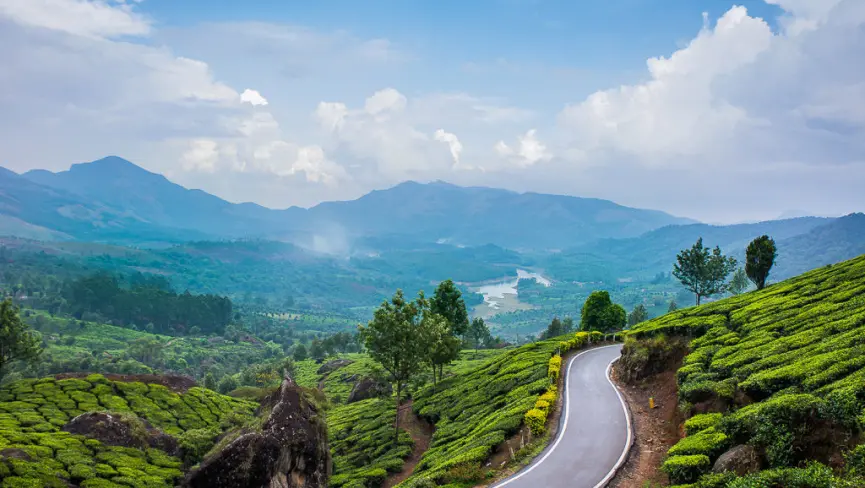
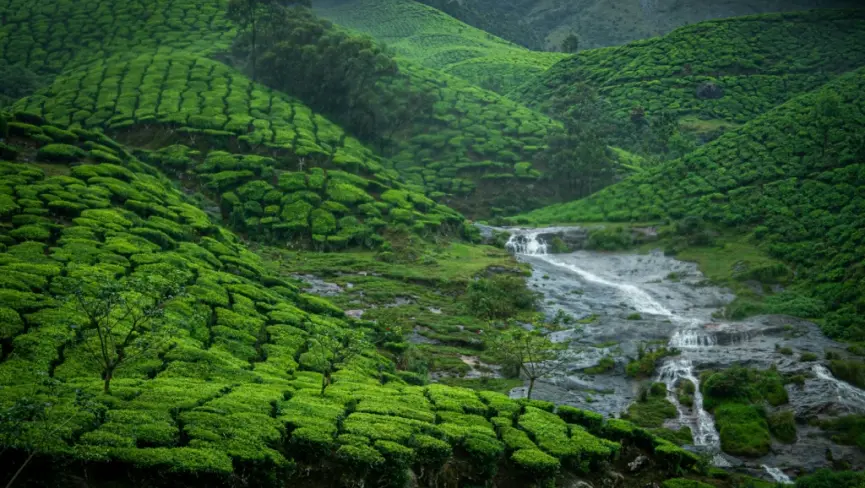
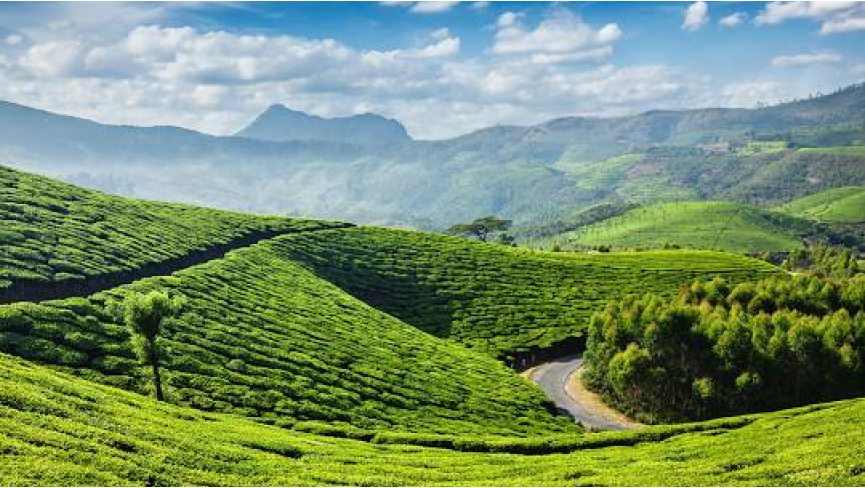
Munnar is undisputedly Kerala's crown jewel of hill stations. Sitting at an elevation of approximately 1,600 metres above sea level, this misty paradise is blanketed by over 80,000 acres of rolling tea plantations — a sight so surreal it almost feels painted. The name 'Munnar' literally means "three rivers," referencing the confluence of the Muthirapuzha, Nallathanni, and Kundaly rivers.
In 2026, Munnar continues to evolve as a premier eco-tourism hub. New sustainable homestays, guided tea-picking experiences, and the expanded Eravikulam National Park trail system offer travellers richer, more immersive experiences than ever before. The endangered Nilgiri Tahr, found almost nowhere else on earth, can be spotted here.
Must-Do Experiences
- Visit Eravikulam National Park during Neelakurinji bloom season
- Sunrise trek to Top Station — the highest point in Munnar
- Tea factory tour at KDHP Museum and tea tasting
- Boating at Mattupetty Dam surrounded by shola forests
- Scenic drive through Echo Point and Lockhart Gap
Wayanad
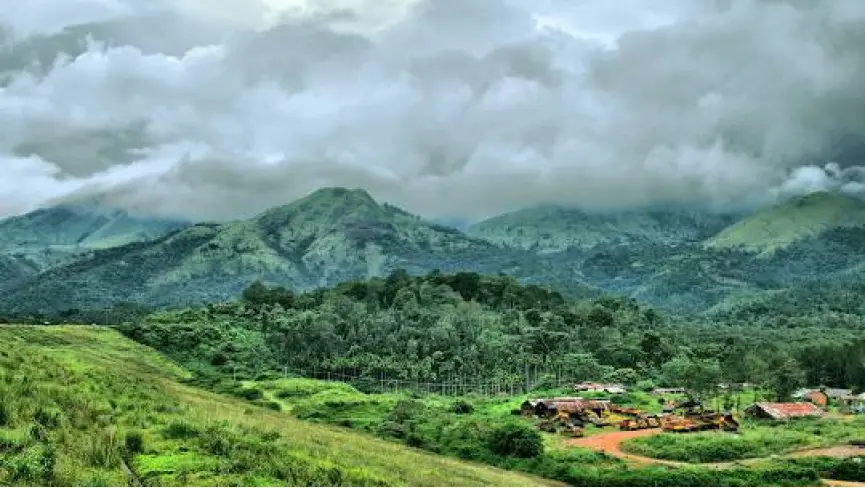
Wayanad is where Kerala's tribal heritage, wildlife, and highland beauty converge seamlessly. Spanning over 2,100 square kilometres, it is one of India's most biodiverse districts, home to elephants, leopards, gaurs, and over 400 species of birds. The landscape shifts dramatically from bamboo thickets and spice plantations to ancient cave systems and roaring waterfalls.
Chembra Peak — with its legendary heart-shaped lake — remains the most iconic trek in all of Kerala. In 2026, the Wayanad Tourism Board has launched new tribal cultural circuits allowing visitors to experience the Kurichiya and Paniya tribal communities in respectful, community-led interactions.
Must-Do Experiences
- Trek to Chembra Peak and the heart-shaped Hridayathadakam lake
- Explore Edakkal Caves with 6,000-year-old petroglyphs
- Jeep safari at Wayanad Wildlife Sanctuary
- Visit Soochipara (Sentinel Rock) and Meenmutty waterfalls
- Bamboo rafting on Kabani River at dawn
Vagamon
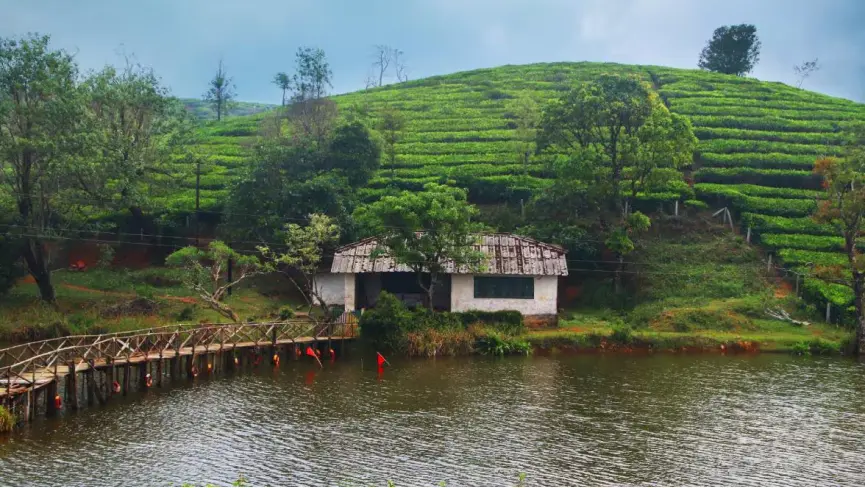
Often called the "Scotland of Kerala," Vagamon is a serene highland plateau where rolling green meadows meet pine forests and cascading waterfalls in a landscape of extraordinary quietude. Unlike the busier Munnar, Vagamon retains a raw, unhurried character that appeals to travellers seeking genuine escape rather than tourist infrastructure.
The three hills of Vagamon — Murugan, Thangal, and Kurisumala — are sacred to Hindu, Muslim, and Christian communities respectively, giving this destination a rare spiritual pluralism. Paragliding over Vagamon's meadows has become a bucket-list activity, with conditions rated among the best in South India.
Must-Do Experiences
- Paragliding over the endless green meadows
- Trek through Kurisumala pine forest at sunrise
- Visit the stunning Thangalpara rock outcrop
- Camp overnight under star-filled highland skies
- Explore nearby Pattumala church and spice gardens
Ponmudi
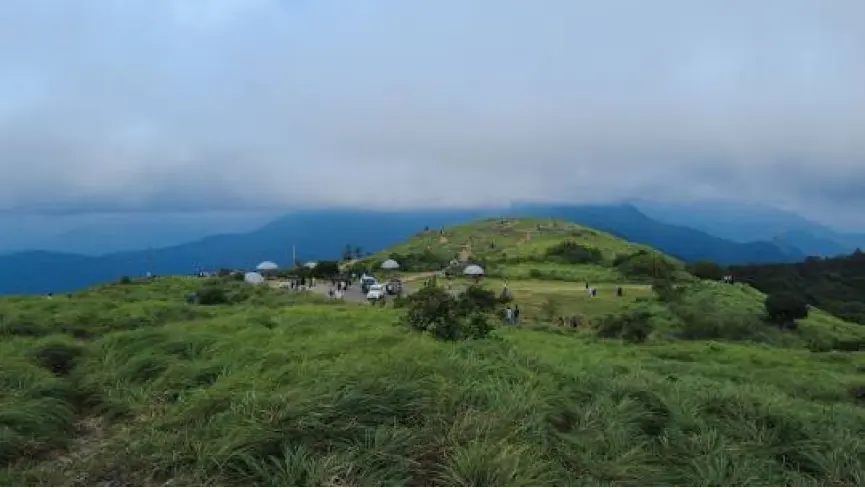
Ponmudi, meaning "Golden Crown" in Malayalam, is a verdant hill station rising from the Agastyamala Biosphere Reserve. The 22-kilometre winding road to the summit features 22 hairpin bends — each revealing breathtaking vistas of the surrounding jungle valleys. The road journey itself is considered one of the most scenic drives in Kerala.
Being the closest hill station to Thiruvananthapuram, Ponmudi is a favourite weekend getaway for locals and a hidden gem for international travellers. The surrounding forests are home to rare orchids, lion-tailed macaques, and over 270 species of butterflies, making it a paradise for naturalists.
Must-Do Experiences
- Drive or trek the iconic 22-hairpin-bend road
- Visit Golden Valley stream for a refreshing dip
- Butterfly watching in Agastyamala Biosphere
- Day trip to nearby Kallar Nature Camp
- Birdwatching at dawn — over 200 endemic species recorded
Nelliampathi
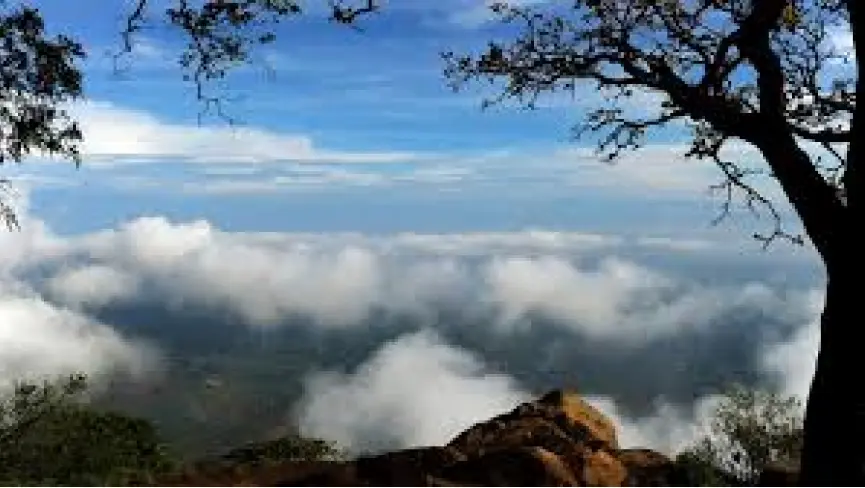
Nelliampathi is Kerala's best-kept secret — a destination that most tourists still haven't discovered, keeping it beautifully unspoiled. Nestled in Palakkad district, it offers sweeping panoramas of orange groves, coffee plantations, and shola forests with almost zero crowds. The 25-kilometre road to Nelliampathi passes through 12 distinct tribal villages.
Seetharkundu Viewpoint here offers arguably the finest sunrise views in all of Kerala, with the Palakkad plains stretching endlessly below a sea of morning mist. In 2026, several community-run tribal homestays have opened, offering authentic cultural immersion alongside stunning highland scenery.
Must-Do Experiences
- Sunrise at Seetharkundu Viewpoint — spectacular Palakkad plains panorama
- Orange and coffee plantation walks in season
- Visit Pothundi Reservoir for fishing and boating
- Tribal homestay experience with Mudugar community
- Nemmara-Vallangi Vela festival (Feb/Mar) — a cultural spectacle
Thekkady
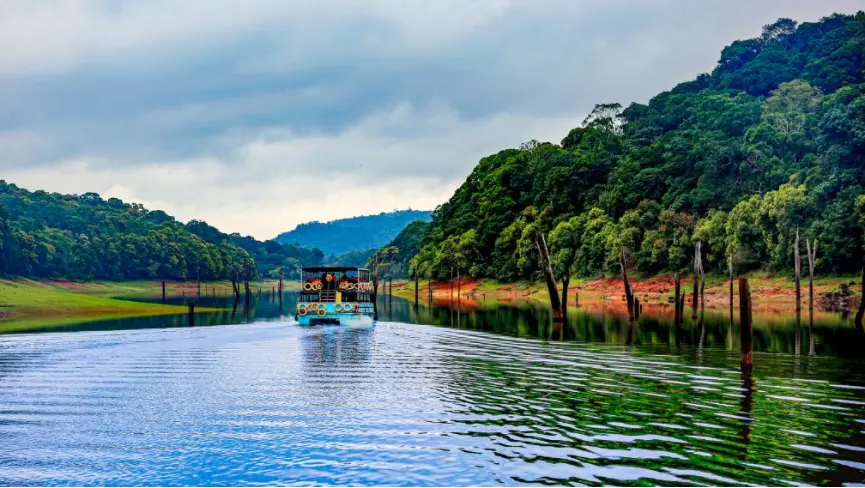
Thekkady is synonymous with the legendary Periyar National Park — one of India's finest tiger reserves and a premier elephant habitat. The 925-square-kilometre park surrounds an artificial lake created by the Mullaperiyar Dam in 1895, creating a unique wetland ecosystem where wildlife routinely gathers at the water's edge.
Spice plantations — cardamom, pepper, cinnamon, and vanilla — surround the wildlife zone, filling the air with intoxicating fragrance. A guided boat safari at Periyar Lake at dawn, watching herds of elephants emerge from the forest to drink, is one of the most extraordinary wildlife experiences available in India.
Must-Do Experiences
- Dawn boat safari on Periyar Lake for elephant sightings
- Guided night trekking in Periyar Tiger Reserve
- Spice garden tour — learn about cardamom and pepper cultivation
- Kathakali and Kalaripayattu cultural performances in Kumily
- Bamboo rafting on Periyar river with tribal naturalist guides
Kalpetta
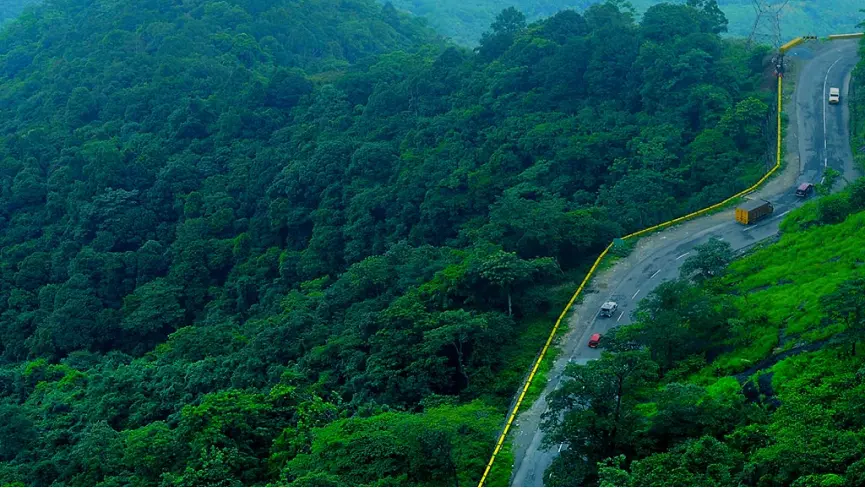
Kalpetta is the headquarters of Wayanad district and serves as the gateway to the region's many natural wonders. More than just a transit point, Kalpetta itself is a charming highland town surrounded by coffee estates, pepper vines, and ancient banyan trees. The nearby Phantom Rock and Jain Temple are hidden heritage gems.
In 2026, Kalpetta has emerged as a base camp for adventure tourism — with operators offering mountain biking trails through coffee estates, zip-lining, and guided birding expeditions through the Wayanad Bird Conservation Reserve, home to over 300 avian species including the rare Malabar pied hornbill.
Must-Do Experiences
- Visit Phantom Rock for dramatic highland vistas
- Mountain biking through coffee and pepper estates
- Heritage walk to ancient Jain Temples of Sulthan Bathery
- Birding at Wayanad Bird Conservation Reserve
- Local market exploration — fresh spices and tribal handicrafts
Idukki
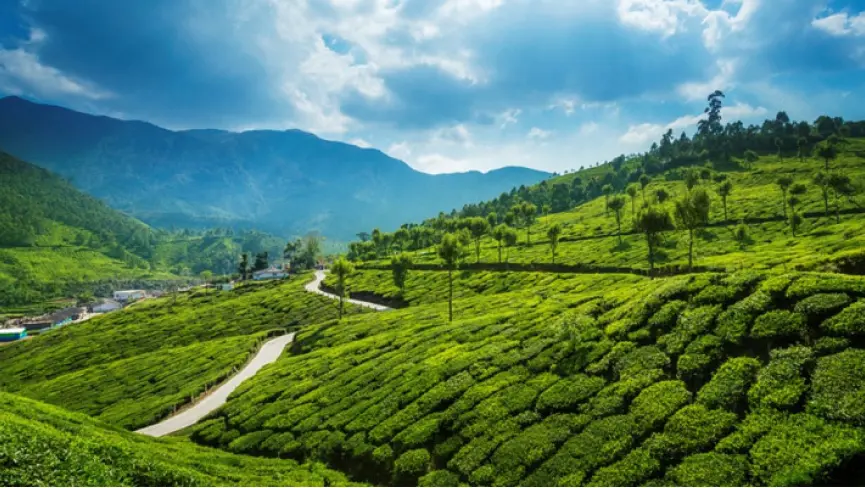
Idukki is defined by one of the world's largest arch dams — the magnificent Idukki Arch Dam — and the lush wildlife sanctuary that surrounds it. The region's rugged terrain, deep river gorges, and dense cardamom forests create a landscape of immense raw power. This is Kerala's highest-altitude district, and that elevation is palpable in every cold, clear breath of air.
The Idukki Wildlife Sanctuary adjoins Eravikulam National Park, forming a vast contiguous forest that supports significant populations of gaur, wild boar, leopard, and Asian elephant. The region produces some of the world's finest cardamom — making it the "Spice Capital" of Kerala.
Must-Do Experiences
- View the magnificent Idukki Arch Dam from the reservoir boat
- Wildlife safari in Idukki Sanctuary at dawn
- Visit Ramakkalmedu — the windiest place in Kerala
- Explore the enchanting Hill Palace and spice markets
- Sunrise at Keezharkuthu Falls viewing deck
Devikulam
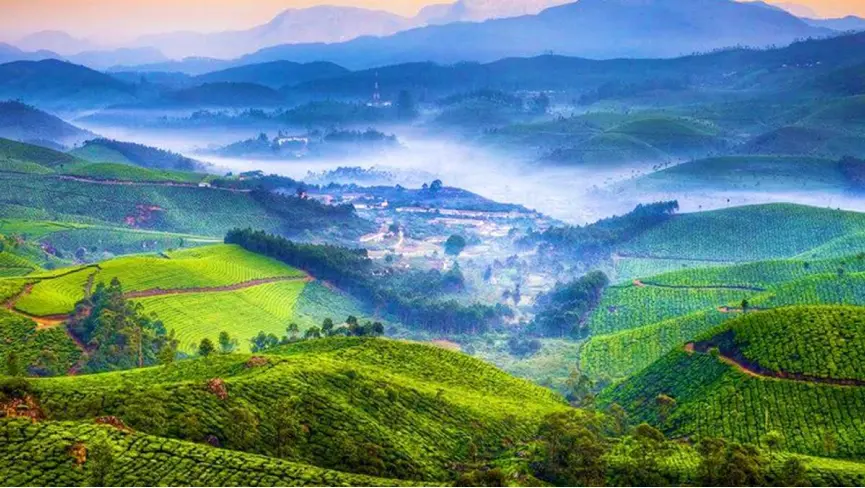
Devikulam sits at nearly 1,800 metres — making it one of the highest habitable areas in the Western Ghats. Just 8 kilometres from Munnar, it offers everything Munnar does with far fewer crowds and a more intimate highland atmosphere. The legendary Sita Devi Lake here is believed to be where the goddess Sita bathed during her exile, its waters radiantly clear and cool.
The route to Devikulam passes through breathtaking stretches of single-origin tea estates that produce some of the rarest high-altitude Darjeeling-comparable teas in India. The annual mist-pattern here is dramatic — valleys filling like bathtubs with white fog each evening, creating an otherworldly atmosphere.
Must-Do Experiences
- Swim in the sacred Sita Devi Lake surrounded by tea estates
- Single-origin tea tasting at boutique highland estates
- Sunrise walk along the misty ridgeline above the valley
- Visit Devikulam Church and colonial-era bungalows
- Photography — dramatic evening mist fills the valleys around 5pm
Silent Valley
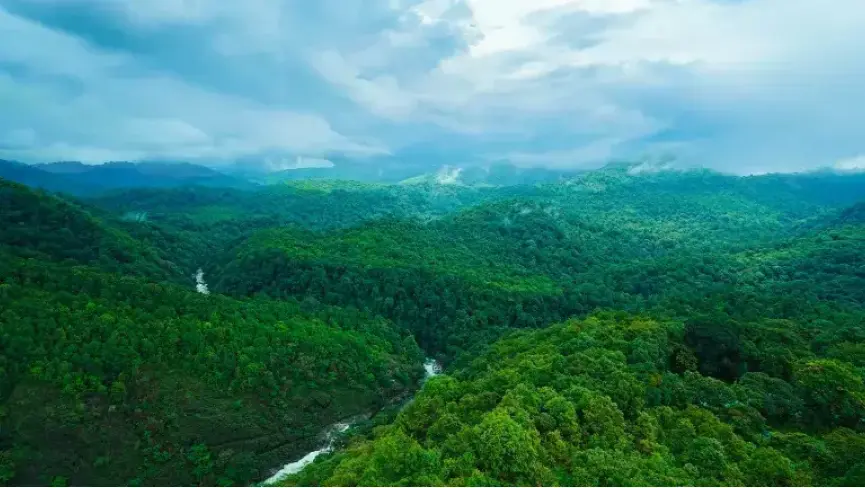
Silent Valley National Park is perhaps India's most pristine tropical rainforest — a UNESCO World Heritage Site that represents one of the last undisturbed stretches of the Southern Western Ghats. Its name derives from the unusual absence of chirping crickets, replaced instead by the hum of biodiversity so dense and complex it defies imagination.
Home to the critically endangered lion-tailed macaque, over 34 mammal species, 400 butterfly varieties, and 1,000+ flowering plant species, Silent Valley is not a casual tourist destination — it is a pilgrimage for serious naturalists and conservation travellers. Limited visitor numbers (permit-controlled) ensure the valley remains as nature intended.
Must-Do Experiences
- Guided forest trek into the core zone (permit required)
- Spot the rare lion-tailed macaque in its natural habitat
- Kunthipuzha River trail — primeval riverside walking
- Night camp at the forest rest house (advance booking required)
- Butterfly documentation — 400+ species in a single park
Quick Reference: All 10 Hill Stations
| Hill Station | Altitude | Best Time | Nearest City |
|---|---|---|---|
| Munnar | 1,600 m | Sept–March | Kochi (130 km) |
| Wayanad | 700–2,100 m | Oct–May | Kozhikode (75 km) |
| Vagamon | 1,100 m | Aug–Feb | Kochi (125 km) |
| Ponmudi | 915 m | Nov–March | Trivandrum (55 km) |
| Nelliampathi | 467–1,572 m | Oct–March | Palakkad (90 km) |
| Thekkady | 900 m | Sept–April | Kochi (175 km) |
| Kalpetta | 780 m | Nov–April | Kozhikode (76 km) |
| Idukki | 1,000–1,800 m | Oct–April | Kochi (115 km) |
| Devikulam | 1,800 m | Oct–March | Munnar (8 km) |
| Silent Valley | 800–2,383 m | Nov–April | Palakkad (80 km) |
Frequently Asked Questions
Related Blog
Top 10 Budget-Friendly South Indian Getaways Under ₹10K This Monsoon
Kerala Backwaters: Top Houseboat Routes You Must Try

Kerala Honeymoon Destinations: Romantic Places for Couples
Complete Varkala Beach Tourism Guide – Timings, Entry Details, Things to Do & Best Season
Kerala Road Trip Guide 2026 – Best Scenic Routes, Must-Visit Places & Travel Tips
Munnar Through the Seasons Best Time to Visit, Weather, and Travel Experiences

Top Tourist Attractions in Munnar National Parks, Viewpoints, Waterfalls & Tea Estates

Discover Adventure & Serenity Top Eco-Tourism and Adventure Activities in Munnar, Kerala
Why Munnar Is Keralas Best Hill Station – A Complete Guide

Best Beaches in Kerala for Couples, Families & Solo Travelers | Kerala Beach Guide 2026