Mahakaleshwar Jyotirlinga Temple Ujjain: Darshan Timings, History & Complete Guide
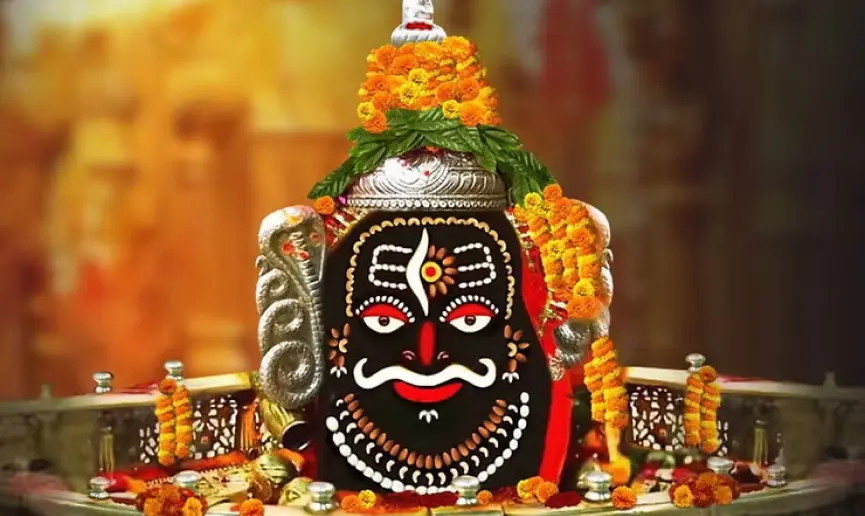
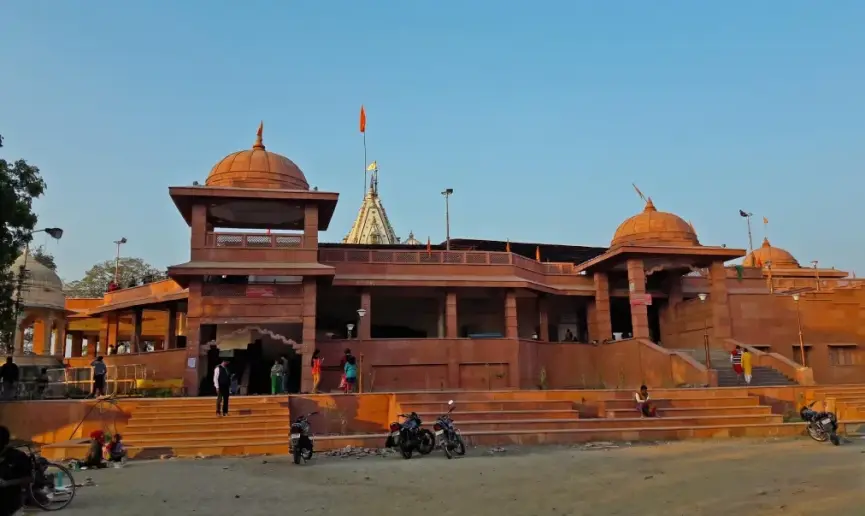
Mahakaleshwar Jyotirlinga Temple, located in the ancient city of Ujjain, Madhya Pradesh, is one of the 12 sacred Jyotirlingas of Lord Shiva. This temple is world-famous for its Bhasma Aarti, spiritual power, and unique belief that Lord Shiva here is Swayambhu (self-manifested) and south-facing, making it extremely rare and powerful.
Every year, lakhs of devotees visit Mahakaleshwar to seek blessings for moksha, health, prosperity, and protection from negative energies.
Location of Mahakaleshwar Jyotirlinga Temple
City: UjjainState: Madhya Pradesh
River: Shipra (Kshipra) River
Temple Area: Old Ujjain City
Ujjain is one of the Sapta Puri (seven sacred cities) of Hinduism and holds immense spiritual importance
Significance of Mahakaleshwar Jyotirlinga
The Mahakaleshwar Jyotirlinga in Ujjain holds a unique and powerful place among the 12 Jyotirlingas of Lord Shiva. It represents Lord Shiva as Mahakaal—the Lord of Time, Death, and Eternity. Devotees believe that worshipping Mahakaleshwar liberates one from fear, negativity, and the cycle of birth and death.
Lord of Time (Mahakaal)
Mahakaleshwar symbolizes Kala (time) and Mrityu (death). Shiva here is worshipped as the ultimate controller of time, reminding devotees that everything is temporary except the divine truth.
Only South-Facing Jyotirlinga
Mahakaleshwar is the only Jyotirlinga that faces south (Dakshinamurti).
-
South direction is associated with Yama (God of Death)
-
Shiva facing south signifies protection from untimely death
-
Considered extremely powerful for moksha (liberation)
Swayambhu (Self-Manifested)
The Mahakaleshwar Lingam is Swayambhu, meaning it was not installed by humans.
-
Believed to have manifested on its own
-
Continuously radiates divine energy
-
Makes the shrine spiritually more potent than man-made lingams
Bhasma Aarti – Symbol of Life & Death
The world-famous Bhasma Aarti uses sacred ash (bhasma).
-
Represents the ultimate truth of human life
-
Symbolizes destruction of ego and attachment
-
Reminds devotees that everything ends in ash, except Shiva
Removes Kaal Sarp Dosha & Planetary Effects
Mahakaleshwar is highly revered for:
-
Kaal Sarp Dosha Nivaran
-
Relief from Shani (Saturn) and Rahu-Ketu effects
-
Protection from negative energies and fear
Astrologically, Ujjain is considered a powerful energy center.
Protector of Ujjain (Sapta Puri)
Ujjain is one of the Sapta Puri (Seven Sacred Cities).
-
Mahakaleshwar is believed to be the eternal guardian of Ujjain
-
According to legends, Shiva vowed to stay here forever to protect devotees
Mentioned in Sacred Texts
Mahakaleshwar Jyotirlinga is referenced in:
-
Shiva Purana
-
Skanda Purana
-
Vayu Purana
These texts highlight its unmatched spiritual power.
Grants Moksha & Spiritual Awakening
Devotees believe sincere worship at Mahakaleshwar helps in:
-
Breaking karmic cycles
-
Attaining inner peace
-
Achieving spiritual enlightenment
-
Removing fear of death
Dual Form of Shiva
Inside the sanctum:
Upper Lingam: Mahakaleshwar (Shiva)Lower Shrine: Omkareshwar (Parvati–Shiva form)
This symbolizes the balance of creation and destruction.
Mahakaleshwar Temple Darshan Timings
Mahakaleshwar Jyotirlinga Temple in Ujjain remains open for devotees throughout the day with multiple darshan and aarti sessions. Timings may slightly vary on festivals and during the Shravan month.
General Darshan Timings
Temple Opens: 4:00 AMTemple Closes: 11:00 PM
Darshan Available: All days of the week
Devotees can have free darshan during regular hours, while Sheeghra (VIP) Darshan is available with special tickets.
Bhasma Aarti Timings (Most Important)
Time: 4:00 AM – 6:00 AMDays: Daily
Entry: Only with prior online booking
Bhasma Aarti is the most sacred ritual of Mahakaleshwar Temple, where Lord Shiva is worshipped with holy ash. Entry into the Garbhagriha is limited and follows a strict dress code.
Other Important Aarti & Puja Timings
Morning Puja / Naivedya: 7:00 AM – 8:15 AM
Afternoon Bhog: 12:00 PM – 12:30 PM
Evening Aarti (Sandhya Aarti): 5:00 PM – 5:30 PM
Night Aarti (Shayan Aarti): 10:30 PM – 11:00 PM
Best Time for Peaceful Darshan
Early morning after Bhasma Aarti
Weekdays (Monday–Thursday)
Non-festival days for shorter waiting time
History of Mahakaleshwar Jyotirlinga
The Mahakaleshwar Jyotirlinga, located in the ancient city of Ujjain, Madhya Pradesh, has a history deeply rooted in Hindu mythology, Puranic texts, and royal patronage. It is one of the 12 sacred Jyotirlingas of Lord Shiva and is revered as a powerful symbol of time, death, and eternal protection.
Mythological Origin (Shiva Purana)
According to the Shiva Purana, Ujjain was once ruled by a demon named Dushan, who had received a boon that made him invisible. He terrorized the city by destroying religious practices and troubling devotees.
When the devotees prayed to Lord Shiva, He manifested Himself as Mahakaal, destroyed the demon, and declared that He would reside permanently in Ujjain as the Mahakaleshwar Jyotirlinga, protecting the city forever.
Swayambhu Jyotirlinga
Mahakaleshwar is believed to be Swayambhu, meaning self-manifested. The Jyotirlinga was not installed by humans but emerged naturally from the earth, radiating divine energy continuously.
Legend of Shrikhar
Another legend tells the story of a young boy named Shrikhar, a devoted worshipper of Lord Shiva. When enemies attacked Ujjain, Shrikhar worshipped Shiva with complete faith.
Pleased with his devotion, Lord Shiva appeared, protected the city, and established Himself as Mahakaleshwar, the eternal guardian of Ujjain.
🏛️ Historical Development of the Temple
- Ancient Period: Ujjain was a major spiritual and astronomical center even before the Common Era.
- 11th Century: The temple was rebuilt by King Bhoja of the Paramara dynasty.
- 18th Century: The present structure was reconstructed by Ranoji Shinde, a Maratha ruler.
- Modern Era: Renovations and the Mahakal Lok Corridor project have enhanced the temple’s spiritual and architectural grandeur.
References in Sacred Texts
The Mahakaleshwar Jyotirlinga is mentioned in ancient Hindu scriptures such as:
- Shiva Purana
- Skanda Purana
- Vayu Purana
Unique Spiritual Belief
Mahakaleshwar is the only south-facing Jyotirlinga, known as Dakshinamurti, symbolizing Lord Shiva’s supreme control over time and death.
Related Blog
Mahakaleshwar Jyotirlinga Temple Ujjain: Darshan Timings, History & Complete Guide
Mahakaleshwar Temple Ujjain: Bhasma Aarti Timings, Booking & Dress Code
How to Reach Mahakaleshwar Temple, Ujjain – Complete Travel Guide
Mangal Dosha Puja at Mangalnath Temple Ujjain: Cost, Booking & Benefits