Mahakaleshwar Temple Ujjain: Bhasma Aarti Timings, Booking & Dress Code
Mahakaleshwar Temple in Ujjain, Madhya Pradesh, is one of the 12 Jyotirlingas of Lord Shiva and holds a unique place in Hindu spirituality. The temple is world-famous for the Bhasma Aarti, a rare and powerful ritual performed only here. This detailed, SEO-friendly guide covers everything you need to know about Bhasma Aarti timings, online booking process, dress code, rules, and travel tips.
About Mahakaleshwar Jyotirlinga
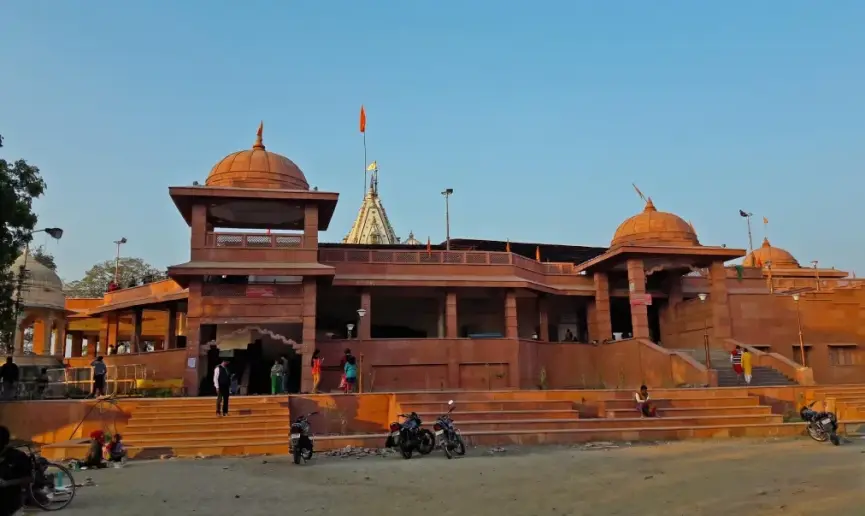
Mahakaleshwar Jyotirlinga, located in the ancient city of Ujjain, Madhya Pradesh, is one of the twelve sacred Jyotirlingas of Lord Shiva. The temple holds exceptional spiritual importance as it is believed to be the place where Lord Shiva manifested himself as Mahakaal—the supreme controller of time and death.What makes Mahakaleshwar truly unique is that it is the only south-facing (Dakshinamukhi) Jyotirlinga in India. According to Hindu beliefs, a south-facing Shiva Lingam is immensely powerful and is associated with liberation from the cycle of birth and death.
The temple stands on the banks of the holy Shipra River, which is also the site of the famous Simhastha Kumbh Mela. Scriptures like the Puranas mention Mahakaleshwar as a self-manifested (Swayambhu) Jyotirlinga that radiates divine energy on its own.
The Mahakaleshwar Temple is also renowned for the sacred Bhasma Aarti, a rare pre-dawn ritual in which holy ash is offered to Lord Shiva. This ritual symbolizes the transient nature of life and reminds devotees of the eternal truth of existence.
Due to its profound spiritual significance, Mahakaleshwar Jyotirlinga attracts millions of devotees, saints, and pilgrims every year who seek blessings, protection, and spiritual liberation.
What is Bhasma Aarti?
Bhasma Aarti is a sacred pre-dawn ritual performed exclusively at the Mahakaleshwar Jyotirlinga Temple in Ujjain. It is one of the most powerful and spiritually significant aartis dedicated to Lord Shiva, worshipped here as Mahakaal, the controller of time and death.
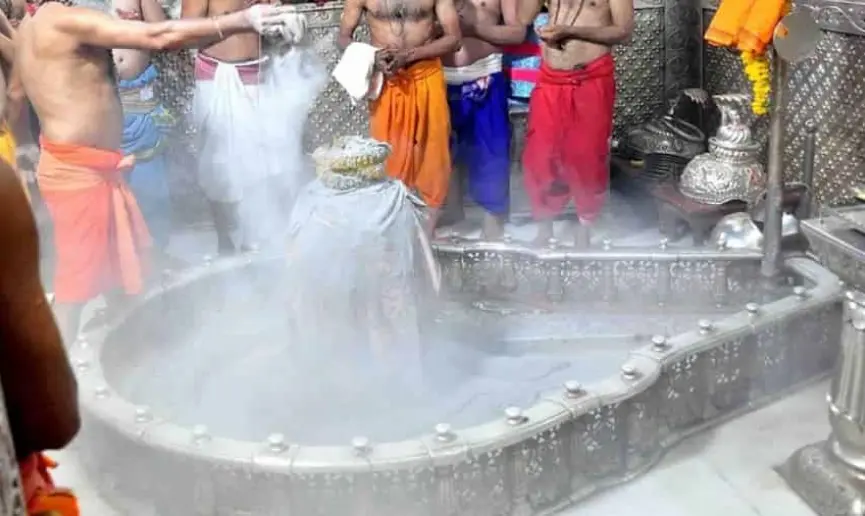
The aarti is performed early in the morning, before sunrise, when the sanctum doors are opened and the Shivling is adorned and worshipped using holy ash (Bhasma or Vibhuti), accompanied by Vedic chants, conch sounds, and traditional drums.
The use of bhasma symbolizes the ultimate reality of life — that everything in this world eventually turns to ash. This ritual reminds devotees of detachment, mortality, and the eternal nature of Lord Shiva, who remains unchanged beyond time and death.
Witnessing Bhasma Aarti is considered a rare and divine experience. Devotees believe that attending this aarti removes fear, grants inner peace, and blesses them with spiritual growth and liberation (moksha).
Mahakaleshwar Bhasma Aarti Timings
The Bhasma Aarti at Mahakaleshwar Temple, Ujjain is performed once every day in the early morning hours. Devotees must enter the temple well before the aarti begins, as entry closes prior to the ritual.
| Day | Aarti Timing | Reporting Time |
|---|---|---|
| All Days | 4:00 AM – 6:00 AM | 2:30 AM |
Devotees are advised to reach the temple at least 1 to 1.5 hours in advance to complete verification and security checks.
Note: Bhasma Aarti timings may change slightly during special occasions such as Mahashivratri, Shravan month, Mondays, and major Hindu festivals. It is recommended to confirm the timing through the official Mahakaleshwar Temple website before planning your visit.
Bhasma Aarti Booking Process (Online & Offline)
Due to the limited entry and high demand, booking for Bhasma Aarti at Mahakaleshwar Temple, Ujjain is mandatory. Devotees can book tickets through both online and offline modes. However, online booking is highly recommended for a confirmed and hassle-free experience.
Online Booking Process (Recommended)
- Visit the official Mahakaleshwar Temple website
- Register using your mobile number and personal details
- Select Bhasma Aarti from the aarti options
- Choose your preferred date and available slot
- Upload a valid government photo ID proof
- Confirm booking and download the receipt
Booking Opening Time: Online bookings generally open one day in advance at 8:00 AM and are filled quickly, especially on Mondays, weekends, and during Shravan month.
Offline Booking Process
- Offline tickets are available at the temple counter in Ujjain
- Limited quota is issued on a first-come, first-served basis
- Valid photo ID is mandatory at the counter
- Availability is not guaranteed during peak seasons
Offline booking is generally suitable only for local devotees or those staying in Ujjain for multiple days.
Important: The name on the booking receipt must match the ID proof carried on the day of darshan. Entry will be denied in case of mismatch or non-compliance with temple rules.
Required Documents for Bhasma Aarti
Devotees attending the Bhasma Aarti at Mahakaleshwar Temple, Ujjain must carry valid documents for verification. Entry is strictly allowed only after successful identity confirmation by temple authorities.
- Valid government-issued Photo ID proof (Aadhaar Card, Voter ID, Passport, or Driving License)
- Bhasma Aarti booking receipt (Printed copy or digital copy on mobile phone)
- The same ID proof used during online booking
All devotees must present their documents at the temple entry point during early morning verification. Failure to produce valid documents may result in denial of entry, even with a confirmed booking.
Important Note: The name on the booking confirmation must exactly match the name on the photo ID. Temple authorities do not allow corrections or last-minute changes.
Bhasma Aarti Dress Code
Mahakaleshwar Temple follows a strict traditional dress code for devotees attending the Bhasma Aarti. Entry will be denied if the prescribed dress code is not followed, even with a confirmed booking.
Dress Code for Men
- Only Dhoti is allowed
- Upper body must be bare
- No shirt, vest, baniyan, or t-shirt permitted
- Pants, jeans, shorts, or lungi are not allowed
- Dhoti is available for rent near the temple
Dress Code for Women
- Only Saree is permitted
- Blouse and petticoat are mandatory
- Salwar kameez, churidar, lehenga, or jeans are not allowed
- Western outfits are strictly prohibited
Related Blog
Mahakaleshwar Jyotirlinga Temple Ujjain: Darshan Timings, History & Complete Guide
Mahakaleshwar Temple Ujjain: Bhasma Aarti Timings, Booking & Dress Code
How to Reach Mahakaleshwar Temple, Ujjain – Complete Travel Guide
Mangal Dosha Puja at Mangalnath Temple Ujjain: Cost, Booking & Benefits