Vaidyanath Jyotirlinga Deoghar: History, Significance & Complete Travel Guide
Vaidyanath Jyotirlinga, also known as Baidyanath Dham, is one of the most sacred pilgrimage sites dedicated to Lord Shiva and holds a revered place among the 12 Jyotirlingas of India. Located in the holy town of Deoghar, Jharkhand, this ancient temple is worshipped as the abode of Vaidyanath – the Divine Healer, where devotees believe that sincere prayers can cure diseases and remove deep-rooted karmic afflictions.
What makes Vaidyanath Jyotirlinga truly unique is its rare spiritual distinction of being both a Jyotirlinga and a Shakti Peetha. This powerful combination attracts millions of devotees every year, especially during the holy Shravan month and the famous Kanwar Yatra. The temple is deeply rooted in Hindu mythology, particularly the legendary story of Ravana and Lord Shiva, which adds to its divine and historical importance.
In this detailed guide, you will explore the history, spiritual significance, darshan timings, rituals, best time to visit, and complete travel information to help you plan a meaningful and well-informed pilgrimage to Vaidyanath Jyotirlinga Deoghar.
Where Is Vaidyanath Jyotirlinga Located?
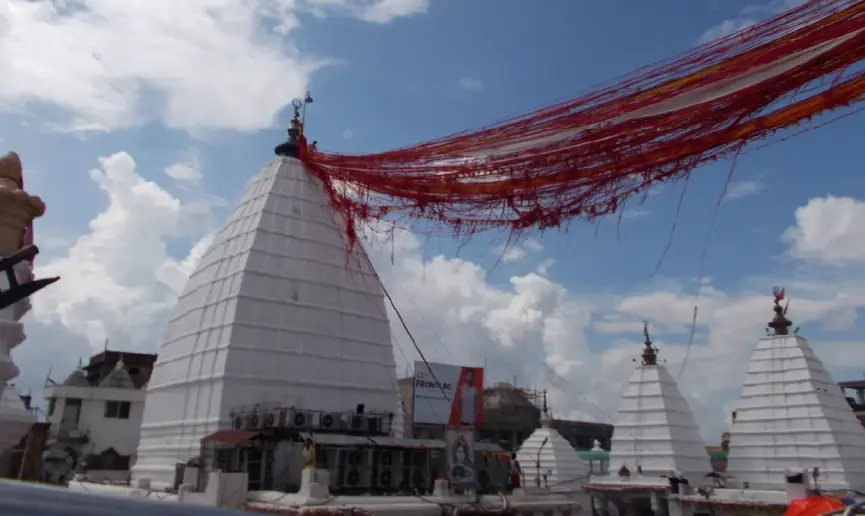
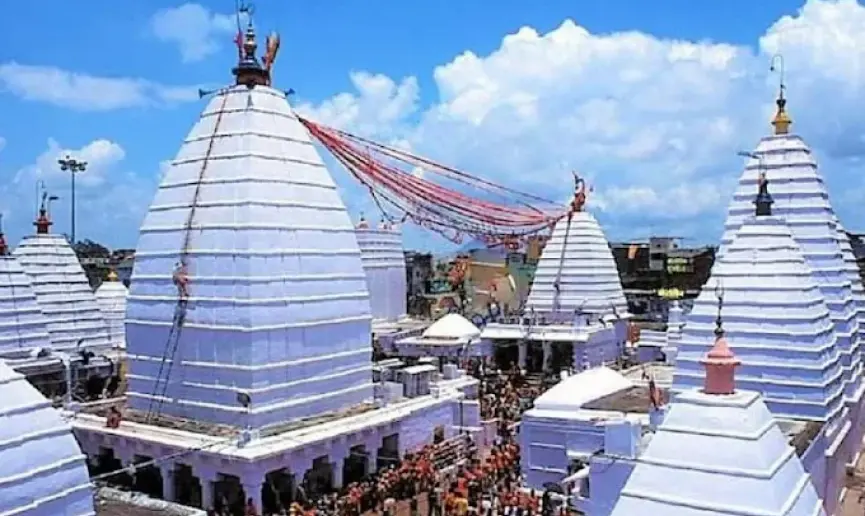
:contentReference[oaicite:0]{index=0}, also known as Baidyanath Dham, is located in the sacred town of Deoghar in the Deoghar district of Jharkhand, eastern India. This ancient temple stands as one of the most revered pilgrimage destinations for devotees of Lord Shiva.
The temple complex lies amid a serene landscape of low hills and greenery, creating a peaceful spiritual atmosphere for pilgrims. Deoghar literally means “Abode of the Gods”, and the town truly lives up to its name due to the presence of this powerful Jyotirlinga.
- Town: Deoghar
- District: Deoghar
- State: Jharkhand
- Country: India
What makes this location spiritually unique is that Vaidyanath Jyotirlinga is also associated with a Shakti Peetha, making Deoghar one of the rare pilgrimage sites where devotees can worship both Lord Shiva and Goddess Shakti in the same sacred region.
History of Vaidyanath Jyotirlinga
The history of :contentReference[oaicite:0]{index=0}, also known as Baidyanath Dham, is deeply rooted in ancient Hindu scriptures and centuries-old spiritual traditions. References to this sacred shrine are found in revered texts such as the Shiva Purana, Skanda Purana, and other Shaivite literature, which describe it as one of the most powerful abodes of Lord Shiva.
According to mythology, the origin of Vaidyanath Jyotirlinga is closely associated with Ravana, the legendary king of Lanka. Ravana performed severe penance to please Lord Shiva and sought immortality. Moved by his devotion, Lord Shiva appeared before him and granted a Jyotirlinga, with a strict condition that it should never be placed on the ground until it reached Lanka.
During Ravana’s journey, the gods intervened to prevent the Jyotirlinga from leaving the Indian subcontinent. Through divine intervention, the lingam was placed on the ground at Deoghar, where it became permanently established. It is believed that Lord Shiva then manifested as Vaidyanath, the Divine Healer, and healed Ravana from the injuries caused by his intense penance. This event gave the temple its sacred name “Vaidyanath”.
From a historical perspective, the temple complex has undergone several renovations over centuries. Various dynasties and rulers, including those during the early medieval period, contributed to the preservation and development of the shrine. Despite architectural changes, the spiritual essence of the Jyotirlinga has remained unchanged, continuing to attract devotees from across India.
An exceptional aspect of Vaidyanath Jyotirlinga is its association with a Shakti Peetha. It is believed that the heart of Goddess Sati fell here, making this site a rare and powerful convergence of Shiva and Shakti. This unique historical and mythological connection elevates the importance of the temple among all Jyotirlingas.
Today, Vaidyanath Jyotirlinga stands not only as a symbol of ancient faith and devotion but also as a living testament to India’s rich spiritual history. For devotees, visiting this temple is believed to bring healing, liberation from karmic bonds, and divine blessings that have been sought for thousands of years.
Mythological Significance of Vaidyanath Jyotirlinga
The mythological significance of Vaidyanath Jyotirlinga is deeply rooted in ancient Hindu scriptures and sacred legends, making it one of the most spiritually powerful Jyotirlingas of Lord Shiva. The temple is closely associated with the legendary tale of Ravana, the king of Lanka, whose intense devotion and penance pleased Lord Shiva himself.
The Legend of Ravana and the Jyotirlinga
According to Hindu mythology, Ravana performed severe austerities to please Lord Shiva and sought a boon that would make Lanka invincible. Pleased with his devotion, Lord Shiva granted Ravana a Jyotirlinga but placed a strict condition that the sacred lingam should never be kept on the ground until it reached Lanka.
As Ravana journeyed south, the gods grew concerned about the immense power this Jyotirlinga would bestow upon him. To stop this, Lord Vishnu and other deities devised a plan. Disguised as a Brahmin, Lord Vishnu asked Ravana to hold the lingam for a moment while he performed his daily rituals. When Ravana failed to return in time, the Brahmin placed the lingam on the ground. Instantly, the Jyotirlinga became firmly rooted at that very spot in Deoghar.
Shiva as Vaidyanath – The Divine Healer
Another powerful aspect of this legend is that during Ravana’s intense penance, he offered parts of his own body to Lord Shiva. Moved by his devotion, Lord Shiva healed Ravana’s wounds and appeared as Vaidyanath, meaning the “Divine Physician.” This is why devotees believe that worshipping Lord Shiva at Vaidyanath Jyotirlinga can cure physical ailments, mental distress, and spiritual suffering.
Unique Connection with Shakti Peetha
Mythology also states that Vaidyanath Jyotirlinga is closely associated with a Shakti Peetha, where the divine energy of Goddess Shakti is present alongside Lord Shiva. This rare combination of Jyotirlinga and Shakti Peetha makes the temple exceptionally sacred and spiritually potent, symbolizing the union of Shiva and Shakti.
Due to these powerful legends, Vaidyanath Jyotirlinga is believed to be a place where sincere prayers are answered, diseases are healed, and devotees attain spiritual liberation. The mythology surrounding this temple continues to inspire millions of pilgrims who visit Deoghar with unwavering faith and devotion.
Spiritual Significance of Vaidyanath Jyotirlinga
:contentReference[oaicite:0]{index=0} holds an exceptional place in Hindu spirituality as Lord Shiva is worshipped here in the form of Vaidyanath — the Supreme Divine Healer. Devotees believe that prayers offered at this sacred Jyotirlinga have the power to heal physical illnesses, relieve mental suffering, and cleanse accumulated karmic doshas.
According to Hindu belief, worshipping Lord Shiva at Vaidyanath Dham helps devotees overcome long-standing diseases, fear of death, and emotional distress. Many pilgrims visit the temple seeking relief from chronic ailments, as the Jyotirlinga symbolizes Shiva’s role as the cosmic physician who restores balance to body, mind, and soul.
A unique spiritual aspect of this temple is that it is considered both a Jyotirlinga and a Shakti Peetha. It is believed that the heart of Goddess Sati fell here, making the site immensely powerful. This rare union of Shiva (consciousness) and Shakti (energy) amplifies the spiritual vibrations of the place and makes prayers offered here highly potent.
Vaidyanath Jyotirlinga is also deeply associated with the concept of liberation (moksha). Devotees believe that sincere worship and Abhishek of the Shivling help in dissolving past-life karmas and guiding the soul toward spiritual awakening. The chanting of mantras like the Mahamrityunjaya Mantra at this temple is considered especially auspicious.
During the holy Shravan month, the spiritual significance of Vaidyanath Jyotirlinga reaches its peak. Millions of Kanwariyas carry sacred water from the Ganga and offer it to Lord Shiva here, symbolizing devotion, surrender, and spiritual discipline. This act is believed to bring divine blessings, inner strength, and fulfillment of wishes.
Overall, Vaidyanath Jyotirlinga is not just a place of worship but a powerful spiritual healing center, where faith, devotion, and divine grace come together to transform the lives of devotees.
Vaidyanath Jyotirlinga Darshan Timings
The darshan timings at :contentReference[oaicite:0]{index=0} are designed to allow devotees ample time for worship, abhishek, and aarti throughout the day. The temple opens early in the morning and remains accessible till night, except during short breaks for rituals.
| Ritual / Activity | Timings |
|---|---|
| Temple Opening | 04:00 AM |
| Morning Aarti | 04:30 AM |
| General Darshan | 05:00 AM – 03:30 PM |
| Temple Break | 03:30 PM – 06:00 PM |
| Evening Darshan | 06:00 PM – 09:00 PM |
| Temple Closing | 09:00 PM |
Note: Darshan timings may change during festivals, special poojas, and especially in the holy Shravan month, when the temple witnesses a massive influx of devotees during the Kanwar Yatra.
Devotees planning to perform Abhishek or special poojas are advised to reach early in the morning to avoid long queues and to follow temple administration guidelines.
Special Poojas & Rituals at Vaidyanath Jyotirlinga
The sacred rituals performed at Vaidyanath Jyotirlinga are believed to have immense spiritual and healing power. Devotees from across India visit Baidyanath Dham to perform special poojas seeking good health, relief from sufferings, and blessings of Lord Shiva.
Rudrabhishek Pooja
One of the most important rituals, Rudrabhishek involves abhishekam of the Shivling with holy water, milk, honey, curd, ghee, and sacred mantras. It is performed to remove negative energies, planetary doshas, and mental stress.
Mahamrityunjaya Jaap
This powerful Vedic chant is performed for protection from serious illnesses, accidents, and untimely death. Devotees believe that chanting this mantra at Vaidyanath Jyotirlinga brings divine healing and longevity.
Jal Abhishek (Self Abhishek)
Unlike many other Jyotirlinga temples, devotees here are allowed to personally offer holy water on the Shivling. This ritual holds deep emotional and spiritual significance for Shiva bhakts.
Shravan Somvar Pooja
Performed during the holy month of Shravan, this pooja is considered extremely auspicious. Mondays in Shravan attract massive crowds, especially Kanwariyas offering Ganga Jal to Lord Shiva.
Kanwar Yatra Rituals
During the annual Shravan Mela, devotees collect holy water from the Ganga at Sultanganj and walk barefoot to Deoghar to perform Jal Abhishek, symbolizing devotion, sacrifice, and faith.
Special Occasional Poojas
Poojas are also performed on Maha Shivaratri, Pradosh Vrat, and other auspicious days. These rituals are believed to bring prosperity, family harmony, and spiritual growth.
Devotees are advised to follow temple guidelines and book special poojas in advance, especially during Shravan month and major festivals, due to heavy crowds.