

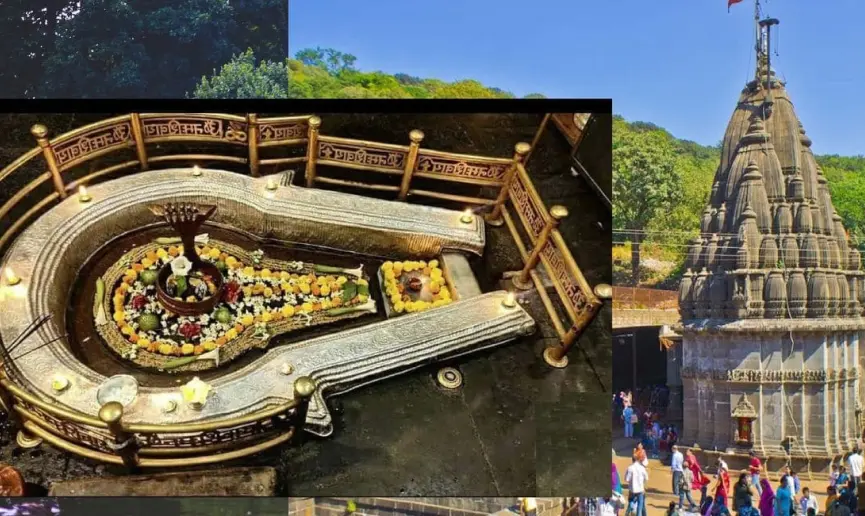
Top 10 Things to Know Before Visiting Bhimashankar Jyotirlinga Temple
Nestled deep within the lush Sahyadri hills of Maharashtra, Bhimashankar Jyotirlinga is one of India’s most revered Shiva shrines and a sacred destination for pilgrims seeking peace, devotion, and natural beauty. Surrounded by dense forests, waterfalls, wildlife, and misty mountain air, the temple offers a divine experience unlike any other. Whether you’re visiting for spiritual reasons, trekking adventure, or a serene getaway, proper planning can make your trip smoother and more fulfilling. In this blog, we cover the top 10 important things you must know before visiting Bhimashankar Jyotirlinga—including timings, routes, weather, facilities, nearby attractions, and expert travel tips to ensure a memorable and hassle-free pilgrimage.
1. Know the Legend Behind Bhimashankar Jyotirlinga
The story of Bhimashankar Jyotirlinga is rooted in powerful mythology that highlights Lord Shiva’s divine strength and compassion. According to ancient scriptures, a fierce demon named Bhim, the son of Kumbhakarna (brother of Ravana), terrorized sages and devotees after gaining immense power through penance. His arrogance and cruelty created chaos across the region.
When Bhim attempted to kill the devout King Sudakshina and challenged the gods themselves, the cries of the oppressed reached Lord Shiva. To protect his devotees, Shiva manifested in a radiant and fierce form known as Bhimashankar. A fierce battle ensued on the very hill where the temple stands today, and Shiva ultimately destroyed Bhim, restoring peace to the land.
After the victory, Lord Shiva’s powerful energy settled in the form of a Jyotirlinga, making Bhimashankar one of the twelve sacred Jyotirlingas in India. It is believed that the holy Bhima River also originated from the sweat of Lord Shiva after the battle, symbolizing purity and divine flow.
Understanding this legend gives devotees a deeper spiritual connection and enhances the significance of the darshan at Bhimashankar Temple.
2. Temple Location & Altitude You Should Prepare For
The Bhimashankar Jyotirlinga Temple is located in the heart of the Sahyadri mountain range, deep within the Bhimashankar Wildlife Sanctuary in Pune district, Maharashtra. Its remote forest setting gives the temple its serene, spiritual atmosphere but also means visitors should be prepared for slightly challenging terrain and cooler temperatures.
Exact Location
-
State: Maharashtra
-
District: Pune
-
Region: Sahyadri Hills (Western Ghats)
-
Sanctuary: Bhimashankar Wildlife Sanctuary
The area is surrounded by dense forests, streams, and hilly paths, making it one of the most scenic Jyotirlinga destinations in India.
Altitude
-
Approx. Elevation: 3,250 feet (990 meters) above sea level
Because of this altitude:
-
Mornings and evenings can be cold, especially in winter.
-
Monsoon brings heavy fog, low visibility, and slippery surfaces.
-
Weather changes quickly, so carrying warm or protective clothing is wise.
Why This Matters for Visitors
Travelers should be mentally and physically prepared for:
-
Slight uphill walking
-
Narrow ghat roads on the last stretch
-
Temperature drops at night
-
Occasional network connectivity issues
The temple’s elevated location within a wildlife sanctuary enhances the natural beauty of the pilgrimage, making the journey peaceful, refreshing, and spiritually uplifting.
3. Darshan Timings & Pooja Schedule
Planning your visit around the official darshan timings and pooja schedule at Bhimashankar Jyotirlinga ensures a smooth, peaceful, and meaningful experience. The temple follows a daily routine that begins before sunrise and continues until late evening, allowing devotees to participate in various rituals throughout the day.
Bhimashankar Temple Darshan Timings
-
Morning Darshan: 4:30 AM to 3:00 PM
-
Evening Darshan: 4:00 PM to 9:30 PM
There is a short break in the afternoon when the sanctum remains closed for cleaning and temple preparations.
Daily Aarti & Pooja Schedule
The temple performs multiple sacred rituals throughout the day. The key ones are:
Kakad Aarti (Morning Aarti)
-
Time: 4:30 AM
-
Significance: Marks the awakening of Lord Shiva with chants, bells, and lamps.
-
Best for devotees who want a peaceful, early-morning spiritual experience.
Madhyan Aarti (Mid-Day Aarti)
-
Time: 3:00 PM
-
Performed before the temple closes for the afternoon break.
-
Ideal for visitors who reach just before noon.
Mangal Aarti (Night Aarti)
-
Time: 9:30 PM
-
Marks the conclusion of the day at the temple.
-
Perfect for those staying overnight or returning late from darshan.
Special Darshan Days
On certain occasions, the temple experiences heavy crowds and extended rituals:
-
Shravan Month (July–August)
-
Mahashivratri
-
Pradosh Vrat Days
-
Mondays, as they are especially auspicious for Lord Shiva
If you prefer a calmer experience, plan your visit on weekdays or outside festival days.
4. Best Time to Visit the Temple
Ideal Seasons
-
October to February: Pleasant weather for darshan and sightseeing.
-
June to September (Monsoon): Misty, beautiful green landscapes — but roads can be slippery.
Avoid
-
Long weekend rush
-
Shravan month & Mahashivratri (only if you dislike very heavy crowds)
5. How to Reach Bhimashankar — Best Routes
From Pune (Most Popular Route)
-
Pune → Chakan → Rajgurunagar → Manchar → Ghodegaon → Bhimashankar
Road condition: Good, scenic, last stretch slightly narrow.
From Mumbai
-
Mumbai → Navi Mumbai → Murbad → Malshej Ghat → Alephata → Bhimashankar
Road condition: Beautiful route but longer.
Public Transport
-
MSRTC buses operate from Pune, Kalyan, and Manchar.
-
Shared jeeps available from Ghodegaon & Manchar.
6. Understand the Trek Routes (If You Prefer Adventure)
Bhimashankar also offers one of Maharashtra’s best monsoon treks.
Popular Trek Routes
-
Ganesh Ghat Route: Easier, scenic, beginner-friendly
-
Shidi Route: Steeper, involves rocky patches and ladders
Trek Time: 3–4 hours
Tip: Avoid trekking during heavy rainfall without a guide.
7. What to Wear & Things to Carry
Since the temple is located in a wildlife sanctuary with fluctuating climate:
Wear
-
Comfortable walking shoes
-
Warm clothing in winter
-
Light raincoat in monsoon
Carry
-
Water bottle
-
Small snacks
-
Power bank
-
Cash (network issues in forest areas)
8. Temple Facilities & Parking Info
-
Parking Available: At the entrance of the main market area
-
Locker Facility: Limited
-
Restrooms: Available but basic
-
Accommodation:
-
MTDC Resort
-
Guesthouses & ashrams near temple
-
Budget hotels in Ghodegaon & Manchar
9. Nearby Attractions You Should Not Miss
Top Places Around Bhimashankar
-
Gupt Bhimashankar – Hidden shrine in the forest
-
Nagphani (Duke’s Nose) – Best viewpoint for sunrise
-
Hanuman Lake – Calm and scenic
-
Bhimashankar Wildlife Sanctuary – Home to the rare Giant Squirrel (Shekru)
-
Ahupe Ghat – Mesmerizing valley views
10. Important Tips for a Smooth Darshan
-
Reach before 7 AM to avoid long queues.
-
Weekdays are less crowded than weekends.
-
Network connectivity is weak — download maps beforehand.
-
Book accommodation early during peak seasons.
-
Respect wildlife sanctuary rules — no loud music or plastic.
Related Blog

8000 / Car