

Mahalakshmi Temple Kolhapur: Darshan Timings, History & Tips
The Mahalakshmi Temple in Kolhapur, also known as Ambabai Temple, is one of the most ancient and revered Hindu temples in Maharashtra. Situated near the banks of the Panchaganga River, this sacred shrine is dedicated to Goddess Mahalakshmi, who is worshipped here as the supreme Shakti (power). The temple is believed to be over 1,300 years old and is regarded as one of the most important Shakti Peethas in India.
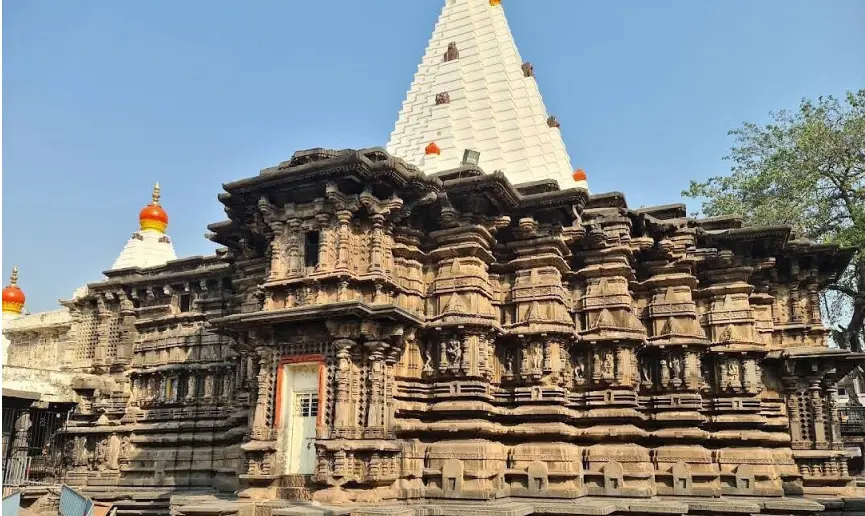
What makes the Kolhapur Mahalakshmi Temple unique is that the goddess is worshipped independently, unlike most Lakshmi temples where she is worshipped alongside Lord Vishnu. The beautifully carved idol, made of black stone, faces westward, a rare and highly auspicious feature believed to symbolize protection and divine strength. The temple’s architecture reflects Chalukyan and Hemadpanthi styles, showcasing intricate stone carvings, ancient pillars, and a majestic sanctum.
For centuries, devotees have visited the Mahalakshmi Temple Kolhapur to seek blessings for prosperity, courage, family well-being, and success. Today, the temple stands not only as a powerful spiritual center but also as a cultural and historical landmark, drawing pilgrims and tourists from across India throughout the year.
History of Kolhapur Mahalakshmi Temple
The Kolhapur Mahalakshmi Temple has a rich history that dates back to the 7th century AD, making it one of the oldest surviving temples in Maharashtra. The temple is believed to have been originally constructed during the reign of the Chalukya dynasty, known for their patronage of art, architecture, and Hindu temples. Over the centuries, the shrine was expanded and renovated by later rulers, especially the Shilaharas of Kolhapur, who played a key role in preserving its spiritual and architectural heritage.
According to ancient legends and the Puranas, Goddess Mahalakshmi came to Kolhapur after defeating the demon Kolhasura, who was terrorizing the region. After vanquishing the demon, the goddess chose Kolhapur as her eternal abode, and the city derives its name from this mythological event. The temple is therefore closely associated with the victory of divine power over evil and is considered a symbol of protection and strength.
Architecturally, the temple reflects early Chalukyan and Hemadpanthi styles, with beautifully carved stone pillars, intricate sculptures, and a sanctum designed with remarkable astronomical precision. One of the most fascinating historical features is that the idol of Goddess Mahalakshmi faces west, which is rare among Hindu temples. It is believed that on specific days of the year, the rays of the setting sun fall directly on the deity, highlighting the advanced knowledge of temple planning and astronomy possessed by ancient Indian architects.
Through centuries of invasions, political changes, and natural challenges, the Mahalakshmi Temple has remained a living center of worship. Today, it stands as a timeless testament to India’s spiritual legacy, royal patronage, and enduring devotion to Goddess Mahalakshmi.
Mahalakshmi Temple Darshan Timings
Mahalakshmi Temple Darshan Timings
The Mahalakshmi Temple Kolhapur is open to devotees every day, offering multiple darshan sessions from early morning till night. Below are the regular darshan timings followed on normal days:
Daily Darshan Timings
-
Morning Darshan: 4:30 AM – 11:30 AM
-
Afternoon Darshan: 12:30 PM – 8:30 PM
⏰ Darshan timings may be extended on Fridays, Amavasya, full moon days, and during Navratri or major festivals.
Aarti & Pooja Timings (Approximate)
-
Kakad Aarti: 4:30 AM
-
Abhishekam: 5:00 AM – 6:30 AM
-
Mahapooja: 8:30 AM – 9:30 AM
-
Dhoop Aarti: 12:00 PM
-
Shej Aarti: 8:30 PM
Dress Code & Temple Rules
Recommended Dress Code
-
Men: Dhoti / Pyjama / Formal pants
-
Women: Saree / Salwar kameez / Long dress
Not Allowed
-
Shorts, mini skirts, sleeveless tops
-
Mobile phones and cameras inside the sanctum
-
Leather items
Lockers are available near the temple entrance.
Best Time to Visit Mahalakshmi Temple
-
October to February: Pleasant weather, ideal for sightseeing
-
Navratri Festival: Grand celebrations (very crowded)
-
Fridays & Full Moon Days: Highly auspicious
Avoid peak afternoon hours if you prefer a peaceful darshan.