

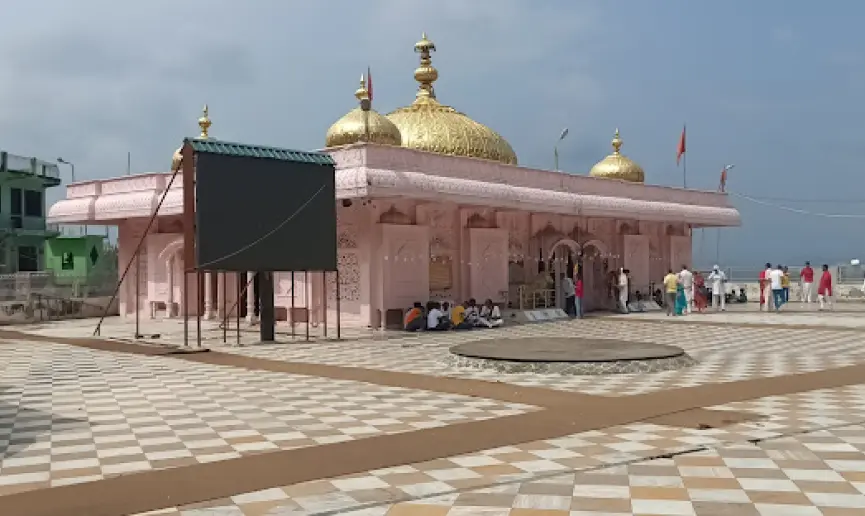
Jwalamukhi Temple Himachal Pradesh: History, Significance & Complete Travel Guide
Jwalamukhi Temple in Himachal Pradesh is one of the most revered and mysterious Hindu pilgrimage sites in India, famous for its eternal flames that burn continuously without oil, wick, or fuel. Dedicated to Goddess Jwalamukhi, a powerful form of Shakti, the temple holds immense religious importance and is counted among the 51 Shakti Peethas of Hinduism.
Located in the scenic Kangra district, Jwalamukhi Temple attracts devotees, spiritual seekers, and curious travelers from across the country. Unlike most temples, there is no idol worship here; instead, devotees offer prayers to natural flames emerging from rock fissures, symbolizing the living presence of divine energy.
In this complete travel guide, you will find detailed information about the history of Jwalamukhi Temple, its religious significance, darshan timings, best time to visit, and how to reach the temple by road, rail, and air—making it easier to plan a meaningful and well-organized pilgrimage.
Where Is Jwalamukhi Temple Located?
Jwalamukhi Temple is located in the Kangra district of Himachal Pradesh, India. The temple is situated in the pilgrimage town of Jwalamukhi, surrounded by the scenic lower Himalayan hills at an altitude of approximately 1,800 feet above sea level.
Due to its central location in Himachal Pradesh, Jwalamukhi Temple is easily accessible from major towns such as Dharamshala, Kangra, Palampur, Chandigarh, and Delhi. The peaceful hill setting adds to the temple’s spiritual charm and makes it a popular destination for pilgrims and tourists alike.
Key Location Details
- State: Himachal Pradesh
- District: Kangra
- Town: Jwalamukhi
- Altitude: Approx. 1,800 feet
- Nearest Major City: Dharamshala (about 55 km)
- Nearest Airport: Kangra (Gaggal) Airport
- Nearest Railway Station: Kangra Mandir / Pathankot
The temple’s location allows devotees to conveniently combine their visit with other famous spiritual and tourist destinations in Himachal Pradesh, making Jwalamukhi Temple one of the most accessible and revered Shakti Peethas in North India.
History of Jwalamukhi Temple
The history of Jwalamukhi Temple is deeply rooted in ancient Hindu mythology and the sacred tradition of Shakti worship. According to legend, the temple is one of the 51 Shakti Peethas formed after the self-immolation of Goddess Sati during Daksha’s Yajna. In grief, Lord Shiva carried her body across the universe, and wherever parts of her body fell, those places became powerful centers of divine energy.
It is believed that Goddess Sati’s tongue fell at Jwalamukhi, which is why the goddess is worshipped here not in idol form but as natural flames emerging from the earth. These flames are considered a direct manifestation of the goddess herself, making Jwalamukhi one of the most unique temples in India.
References to Jwalamukhi Temple can be found in ancient Hindu scriptures such as the Mahabharata and various Puranas, indicating its significance since Vedic times. Over the centuries, the temple has been revered by sages, kings, and devotees who considered it a powerful center of spiritual energy.
Historical accounts also mention that Mughal Emperor Akbar visited the temple and attempted to extinguish the sacred flames as a test of faith. Despite his efforts, the flames continued to burn, reinforcing the belief in the temple’s divine power. It is said that Akbar later offered a golden umbrella to the goddess, which mysteriously turned into another metal, symbolizing divine will.
The present structure of the temple was rebuilt and renovated by various rulers over time, including Rajput kings and later Hindu devotees. Despite architectural changes, the spiritual essence of Jwalamukhi Temple has remained unchanged, with the eternal flames continuing to inspire devotion and awe among pilgrims.
Today, Jwalamukhi Temple stands as a timeless symbol of faith, representing the living presence of Goddess Shakti and the eternal power of divine energy that transcends history, science, and human understanding.
Significance of Jwalamukhi Temple
The significance of Jwalamukhi Temple lies in its unique form of worship and deep spiritual importance in Hinduism. Unlike most temples, there is no idol of the goddess here. Instead, devotees worship the eternal flames that naturally emerge from rock fissures, symbolizing the living presence of Goddess Shakti.
One of the Most Powerful Shakti Peethas
Jwalamukhi Temple is revered as one of the 51 Shakti Peethas. According to Hindu belief, the tongue of Goddess Sati fell at this sacred spot, making it a highly potent center of divine feminine energy. Devotees believe prayers offered here bring strength, protection, and spiritual awakening.
The Miracle of the Eternal Flames
The temple is famous for several natural flames that burn continuously without oil, wick, or fuel. These flames are believed to represent different forms of Goddess Shakti and have been burning for centuries. Even though science links them to natural gas emissions, devotees consider the phenomenon a divine miracle.
Symbol of Energy and Creation
Fire symbolizes energy, purity, creation, and transformation in Hindu philosophy. At Jwalamukhi Temple, the eternal fire is worshipped as a manifestation of cosmic energy, reminding devotees of the eternal power that governs creation and destruction.
Major Center for Navratri Celebrations
Jwalamukhi Temple holds special importance during Navratri, when thousands of devotees visit to seek blessings of Goddess Durga. The temple atmosphere during this period is filled with devotion, rituals, and spiritual fervor, making it the most auspicious time to visit.
Spiritual Beliefs of Devotees
- Prayers here are believed to remove obstacles and negative energies
- Devotees seek blessings for health, prosperity, and protection
- The temple is associated with fulfillment of wishes and inner peace
Overall, the significance of Jwalamukhi Temple goes beyond rituals—it represents the eternal power of Shakti in its purest form. The continuous flames, ancient legends, and unwavering faith of devotees make it one of the most spiritually powerful temples in India.
Jwalamukhi Temple Darshan Timings
Knowing the Jwalamukhi Temple darshan timings helps devotees plan a peaceful and well-organized visit. The temple remains open throughout the year and allows devotees to witness the sacred eternal flames during both morning and evening hours.
Temple Opening & Closing Timings
- Temple Opens: 5:00 AM
- Temple Closes: 10:00 PM
- Open Days: All days (including weekends & festivals)
Aarti Timings
Daily aartis are performed in the presence of the natural flames, creating a deeply spiritual atmosphere for devotees.
- 🕯️ Morning Aarti: 6:00 AM
- 🕯️ Evening Aarti: 7:00 PM
Best Time for Darshan
- Early morning hours for peaceful darshan
- Evening aarti time to witness the glowing flames
- Weekdays for fewer crowds
Important Darshan Guidelines
- Entry to the temple is free
- Photography is not allowed inside the sanctum
- Footwear must be removed before entering
- Maintain silence and follow temple customs
Summary: Jwalamukhi Temple is open daily from early morning till late evening, giving devotees ample time to experience darshan and aarti. Visiting during early hours or evening aarti ensures a calm and spiritually enriching experience.
Entry Fee & Darshan Details
Visiting Jwalamukhi Temple is simple and accessible for all devotees. The temple follows an open darshan system, allowing pilgrims to witness the sacred eternal flames without any entry charge.
- Entry Fee: Free (No ticket required)
- Darshan Type: General darshan only
- Special / VIP Darshan: Not available
- Photography: Not allowed inside the sanctum
- Footwear: Must be removed before entering temple premises
During festivals and auspicious days, darshan may take longer due to large crowds. However, temple authorities ensure a smooth and well-organized darshan experience for all visitors.
Best Time to Visit Jwalamukhi Temple
The best time to visit Jwalamukhi Temple is during the months when the weather is pleasant and travel conditions are comfortable. Although the temple remains open throughout the year, certain seasons offer a more peaceful and spiritually enriching experience.
March to June (Best Weather)
Summer is the most popular time to visit Jwalamukhi Temple. The weather remains pleasant, making temple visits and nearby sightseeing comfortable. This period is ideal for families, senior citizens, and first-time visitors.
- ✔ Pleasant daytime temperatures
- ✔ Ideal for temple darshan and travel
- ✔ Suitable for combining hill station visits
Navratri (Most Auspicious Time)
Navratri, celebrated twice a year in March–April and September–October, is the most sacred time to visit Jwalamukhi Temple. The temple is beautifully decorated, special prayers are performed, and devotees from across the country gather to seek blessings of Goddess Shakti.
September to November (Post-Monsoon Season)
The post-monsoon season offers lush green surroundings and comfortable weather. This is a good time for devotees who prefer fewer crowds compared to peak summer months.
- ✔ Fresh and scenic surroundings
- ✔ Pleasant climate
- ✔ Moderate crowd levels
December to February (Winter Season)
Winters in Jwalamukhi can be cold, especially during early mornings and evenings. While this is not peak tourist season, devotees seeking a quiet and peaceful darshan may prefer this time.
Monsoon Season (July to August)
Monsoon brings moderate to heavy rainfall in the region. While the temple remains open, travel may be affected due to slippery roads and occasional landslides.
- ⚠ Travel delays possible
- ⚠ Not ideal for sightseeing
- ✔ Less crowded temple