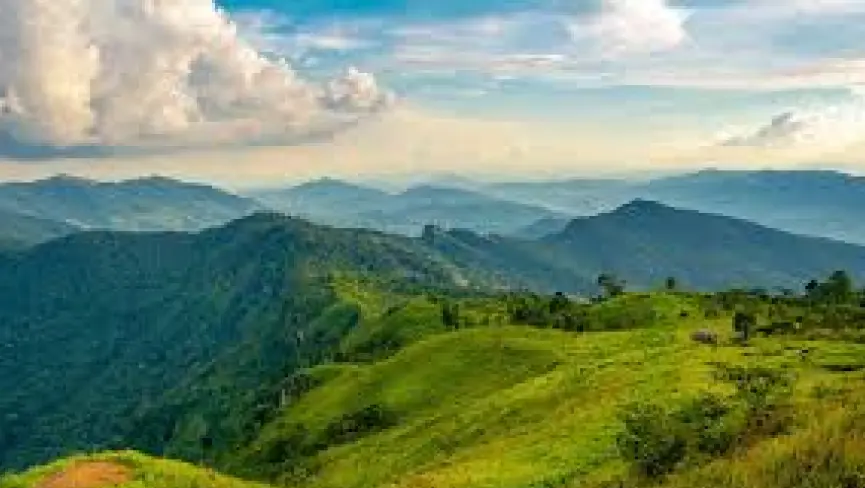
Nestled at an altitude of 910 metres in the Eastern Ghats, Araku Valley is a breathtaking hill station in Visakhapatnam district, Andhra Pradesh. Famous for its lush coffee plantations, tribal culture, cascading waterfalls, and the iconic Borra Caves, Araku Valley attracts thousands of travellers every year. Whether you're planning a weekend getaway or an extended holiday, this guide covers every way to get there — by train, road, or air.
About Araku Valley – Quick Overview
Araku Valley is accessible from Visakhapatnam (Vizag), which serves as the main gateway city. The nearest railway station is Araku Railway Station on the Kirandul–Visakhapatnam line, while the nearest airport is Visakhapatnam International Airport. From Vizag, you can reach Araku by road in approximately 3–4 hours or by train in about 5–6 hours through the mesmerising Eastern Ghat tunnels and viaducts.
Pro Tip: The train journey from Visakhapatnam to Araku Valley is one of the most scenic rail routes in India — passing through 58 tunnels and 84 bridges across the Eastern Ghats. Don't miss this experience!
How to Reach Araku Valley by Train
The train journey to Araku Valley is an experience in itself and is highly recommended for first-time visitors. The route is served by metre-gauge trains running between Visakhapatnam (Vizag) and Kirandul, passing through Araku.
Key Trains to Araku Valley
| Train Name | Train No. | Departure (Vizag) | Arrival (Araku) | Days |
|---|---|---|---|---|
| Visakha Express | 08531 | 07:05 AM | 12:10 PM | Daily |
| Araku Passenger | 58501 | 06:40 AM | 12:45 PM | Daily |
| Kirandul Passenger | 58551 | 09:30 AM | 03:00 PM | Daily |
| LTT–Kirandul Express | 18520 | Varies | Varies | Bi-weekly |
Tickets can be booked online via the IRCTC website or app. It is strongly recommended to book at least 2–3 weeks in advance, especially during peak season (October–February). The train tickets are very affordable — general class costs around ₹30–₹60, while reserved seats are priced at ₹100–₹200 for the journey.
The Visakhapatnam–Araku train journey is one of India's most scenic rail routes. The train passes through 58 tunnels, 84 bridges, and spectacular valley views across the Eastern Ghats. Sit on the right side while travelling from Vizag for the best views of the gorges and waterfalls. The journey is not just transport — it is a destination in itself.
The Araku Railway Station is well-connected and has basic amenities. Auto-rickshaws and cabs are readily available at the station to take you to hotels or tourist attractions. Pre-booking your accommodation is advisable during holidays.
How to Reach Araku Valley by Road
Travelling to Araku Valley by road is the most flexible option, especially for families, groups, or those who prefer scenic drives through mountain passes. The roads are well-maintained and pass through some stunning landscapes of the Eastern Ghats.
Road Routes to Araku Valley
| Starting Point | Distance | Duration | Route Via |
|---|---|---|---|
| Visakhapatnam (Vizag) | ~115 km | 3–4 hrs | NH-30 → SH-9 via Thajangi |
| Vizianagaram | ~160 km | 4–5 hrs | Via Dumbriguda |
| Bhubaneswar | ~340 km | 6–7 hrs | NH-16 → Vizag → Araku |
| Hyderabad | ~680 km | 10–11 hrs | NH-65 → NH-16 → Vizag → Araku |
| Raipur | ~330 km | 6–7 hrs | Via Jagdalpur → Kirandul → Araku |
Bus Options to Araku Valley
APSRTC Government Buses
Andhra Pradesh State Road Transport Corporation (APSRTC) operates regular buses from Visakhapatnam's RTC Complex to Araku Valley. Buses depart multiple times a day from early morning. The journey takes approximately 4 hours and costs around ₹80–₹150.
Private Luxury Buses
Several private operators run AC and non-AC sleeper buses from Visakhapatnam, Hyderabad, and other major cities. These can be booked through RedBus, Abhibus, or directly from operators. Prices range from ₹300–₹700 depending on bus type.
Cab / Self-Drive
Hiring a cab from Visakhapatnam is a popular option for families. Ola, Uber, and local cab services charge around ₹2,000–₹3,500 one-way. Self-drive via NH-30 offers a beautiful mountain road experience — recommended only for experienced mountain drivers.
Road Safety Note: The Ghat section of the road (after Bheemunipatnam junction) has sharp hairpin bends and steep gradients. Drive carefully, especially during monsoon season (June–September) when roads may be slippery. Night driving on ghat roads is not recommended.
Key Stops Along the Route
Ananthagiri Hills — Lush coffee estates and viewpoints en route, perfect for a quick stop.
Thajangi Reservoir — Scenic water body surrounded by forests, great for photography.
Lambasingi — Known as the "Kashmir of Andhra Pradesh", accessible on a detour from the main route.
Borra Caves — Located just 30 km before Araku, a must-visit attraction on the way.
How to Reach Araku Valley by Air
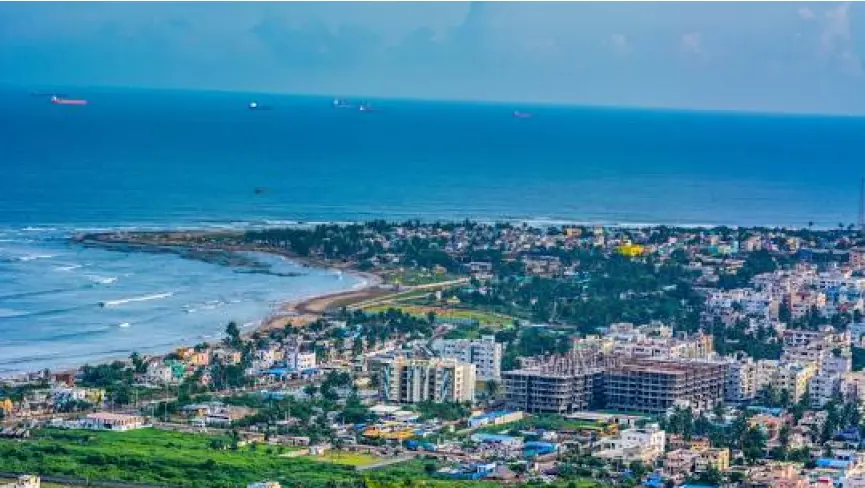
There is no airport in Araku Valley itself. The nearest and most convenient airport is Visakhapatnam International Airport (VTZ), also called Vizag Airport, which is well-connected to major Indian cities. From the airport, you can take a cab, bus, or train to Araku Valley.
Flights to Visakhapatnam
| From City | Airlines | Flight Duration | Frequency |
|---|---|---|---|
| Hyderabad | IndiGo, Air India, SpiceJet | ~1 hr | Multiple daily |
| Mumbai | IndiGo, Air India, Vistara | ~2 hrs | Multiple daily |
| Delhi | IndiGo, Air India | ~2.5 hrs | Daily |
| Bangalore | IndiGo, Air India | ~1.5 hrs | Daily |
| Chennai | IndiGo, SpiceJet | ~1.5 hrs | Daily |
Once you land at Visakhapatnam Airport, you have three options to reach Araku Valley: (1) Hire a pre-booked cab directly for ₹2,500–₹3,500; (2) Take a city taxi to Visakhapatnam Railway Station and board the morning Araku train; or (3) Take a taxi to RTC Complex and catch an APSRTC bus to Araku. Pre-booking airport cabs is recommended to avoid overcharging.
Smart Travel Tip: If you fly into Vizag, arrive the previous evening, stay overnight in the city, and take the 7:05 AM train to Araku the next morning. This way you enjoy both the train experience and avoid the hassle of an early morning airport rush.
Best Time to Visit Araku Valley
October – February (Best): Cool and pleasant weather (8°C–24°C). Ideal for sightseeing, trekking, and outdoor activities. Peak tourist season.
March – May (Good): Slightly warm but manageable. Coffee harvesting season begins. Fewer crowds and lower hotel rates.
June – September (Monsoon): Lush green landscapes and waterfalls in full flow. Roads may be risky. Train travel is safer during this period.
December – January (Peak): Coldest months — temperatures can drop to 5°C. Araku Valley Utsav cultural festival is held in January.
Top Attractions & Things to Do in Araku Valley
Borra Caves
One of the largest caves in India, located 30 km from Araku. These ancient limestone stalactite and stalagmite formations are estimated to be around 150 million years old. Entry fee: ₹40 for adults, open from 10 AM–5 PM.
Araku Valley Coffee Plantations
Araku Coffee is internationally renowned for its Arabica variety. Visit the tribal-run coffee estates, learn about the organic farming process, and enjoy freshly brewed Araku Coffee at the Araku Coffee Café or the Tribal Museum.
Tribal Museum (Araku Valley Museum)
A fascinating museum showcasing the traditions, tools, costumes, and art of the indigenous Kondh and Bagata tribes of the Eastern Ghats. Located in the heart of Araku town, entry is free.
Padmapuram Gardens
A well-maintained botanical garden with tree-top huts and bamboo cottages. Great for picnics and family outings. The garden also has a children's play area and bamboo grove walkways.
Katiki Waterfalls
Located 9 km from Araku, this 50-foot waterfall is tucked deep in the forest and accessible by a trek through bamboo forests. Best visited during and just after the monsoon season.
Essential Travel Tips for Araku Valley
Mobile network is limited in Araku. BSNL has the best coverage in the valley. Download offline maps before travelling.
Carry sufficient cash as ATMs are limited. There is one SBI ATM near the market area but it is often out of service.
Book accommodations well in advance during October–February. APTDC Holiday Homes offer budget options; private resorts start at ₹2,000/night.
Carry basic medicines, especially for motion sickness, as the mountain roads have sharp turns. A basic first-aid kit is always useful.
Pack warm clothes even if visiting between March–May as evenings can be chilly at 910 metres altitude. During winter, heavy woolens are a must.
Must-try local foods: Araku Coffee, Bamboo Chicken (a tribal specialty), Koraput Red Rice, and tribal sweets available at the local market.
Frequently Asked Questions
The train from Visakhapatnam is widely considered the best way to reach Araku Valley as it offers an unmatched scenic experience through the Eastern Ghats. For flexibility and convenience, road travel by cab is also highly recommended.
Araku Valley is approximately 115 km from Visakhapatnam by road. By train, the distance is around 115 km and takes about 5–6 hours due to the winding mountain route.
No, there is no airport in Araku Valley. The nearest airport is Visakhapatnam International Airport (VTZ), about 130 km away. From there, you can reach Araku by road (4 hours) or train (5–6 hours).
A minimum of 2 nights and 3 days is recommended to comfortably explore Araku Valley, including Borra Caves, coffee plantations, Padmapuram Gardens, and Katiki Waterfalls. You can extend to 4–5 days for a more leisurely experience.
Yes, Araku Valley is generally considered safe for solo travellers, including women. The local tribal community is welcoming, and tourism police presence is visible during peak season. Standard travel precautions apply.
A cab from Visakhapatnam to Araku Valley typically costs between ₹2,000–₹3,500 one-way for a sedan, and ₹3,500–₹5,000 for an SUV or larger vehicle. Prices may vary depending on the season and operator.
Ready to Visit Araku Valley?
Araku Valley is a gem of the Eastern Ghats, waiting to be explored. Whether you choose the iconic train ride through mountain tunnels, a scenic road trip along the ghat roads, or a quick flight to Visakhapatnam followed by a drive through lush forests — every journey to Araku is an adventure. Plan your trip between October and February for the best experience, book your train tickets early, and get ready to fall in love with this beautiful hill station.